
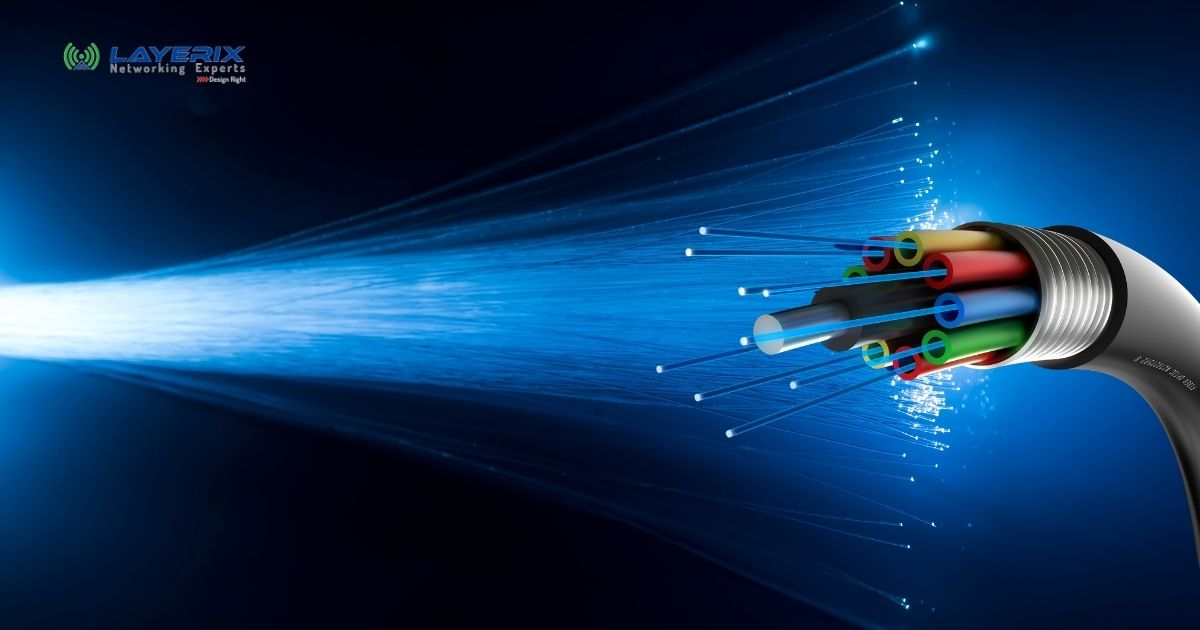
Optical Fibre &
Long‑Distance Backbones
Built to Scale
Single‑mode (OS2) and multi‑mode (OM3/OM4) fibre installations — OTDR tested, fusion spliced, and ready for 40G/100G upgrades.
Trusted by 30+ enterprises across India





Complete Fibre Optic Infrastructure
From single‑mode backbones to multi‑mode data centre links — designed, installed, and OTDR‑certified by our fibre specialists.
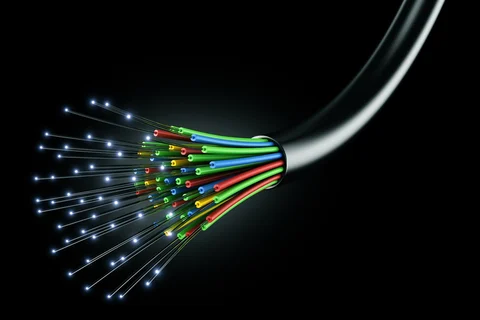
Single‑mode Fibre (OS2)
9µm core, laser‑optimised for long‑distance links up to 10km+. Ideal for inter‑building and WAN connections.
Multi‑mode Fibre (OM3/OM4)
50µm core, VCSEL‑optimised for campus backbones and data centres. OM4 supports 550m at 10G/40G.
Fibre Termination & Splicing
Fusion splicing (low loss <0.05dB), pigtail splicing, LC/SC/MPO connector termination in splice trays or panels.
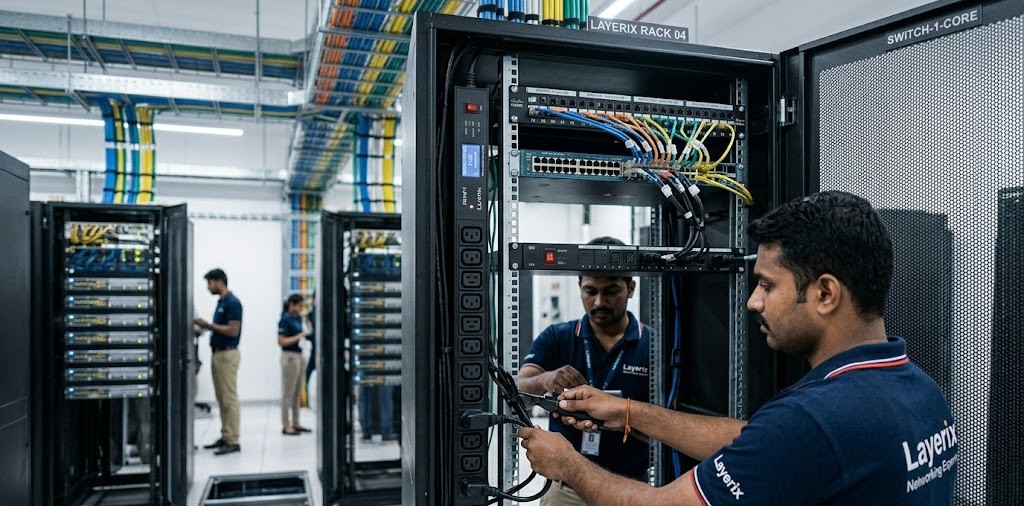
Fibre Enclosures & Racks
19″ rack‑mount fibre patch panels, wall‑mount enclosures, splice cassettes, and cable management.
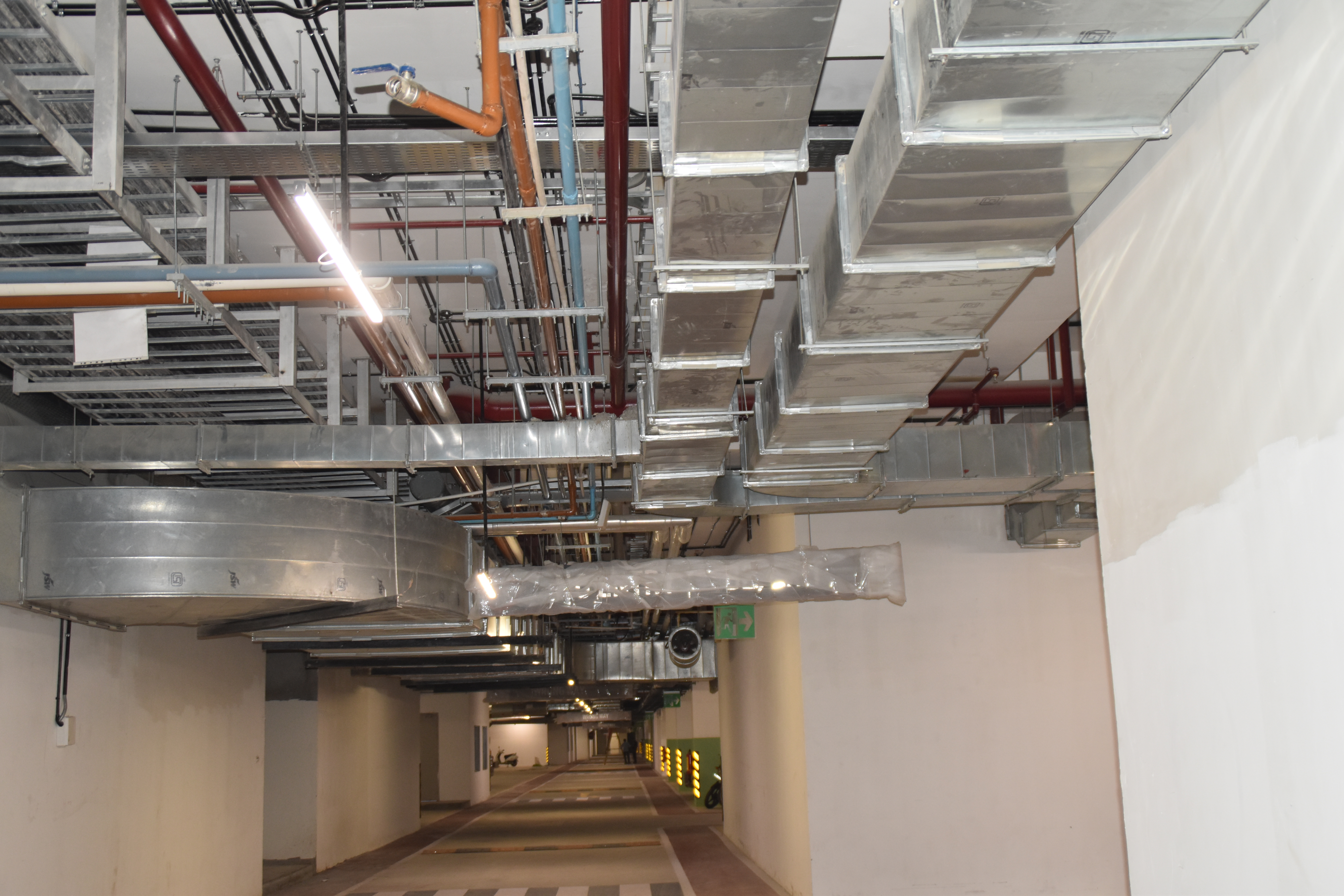
Cable Tray & Conduit
Fibre‑rated cable trays and conduits with gentle bend radius protection for fibre optic cables.
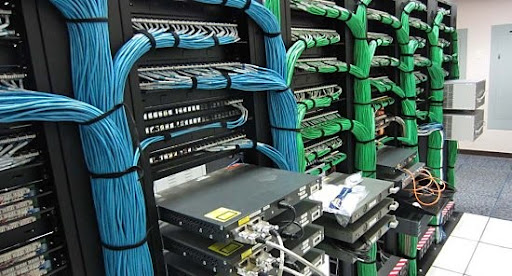
As‑built Documentation
OTDR traces, splice loss reports, fibre mapping, and AutoCAD drawings for every installed link.
Why 30+ Enterprises
Choose Our Fibre Services
Fibre is unforgiving — bad splices or poor testing will haunt your network for years. We treat every fibre link as critical infrastructure, with documented proof of performance.
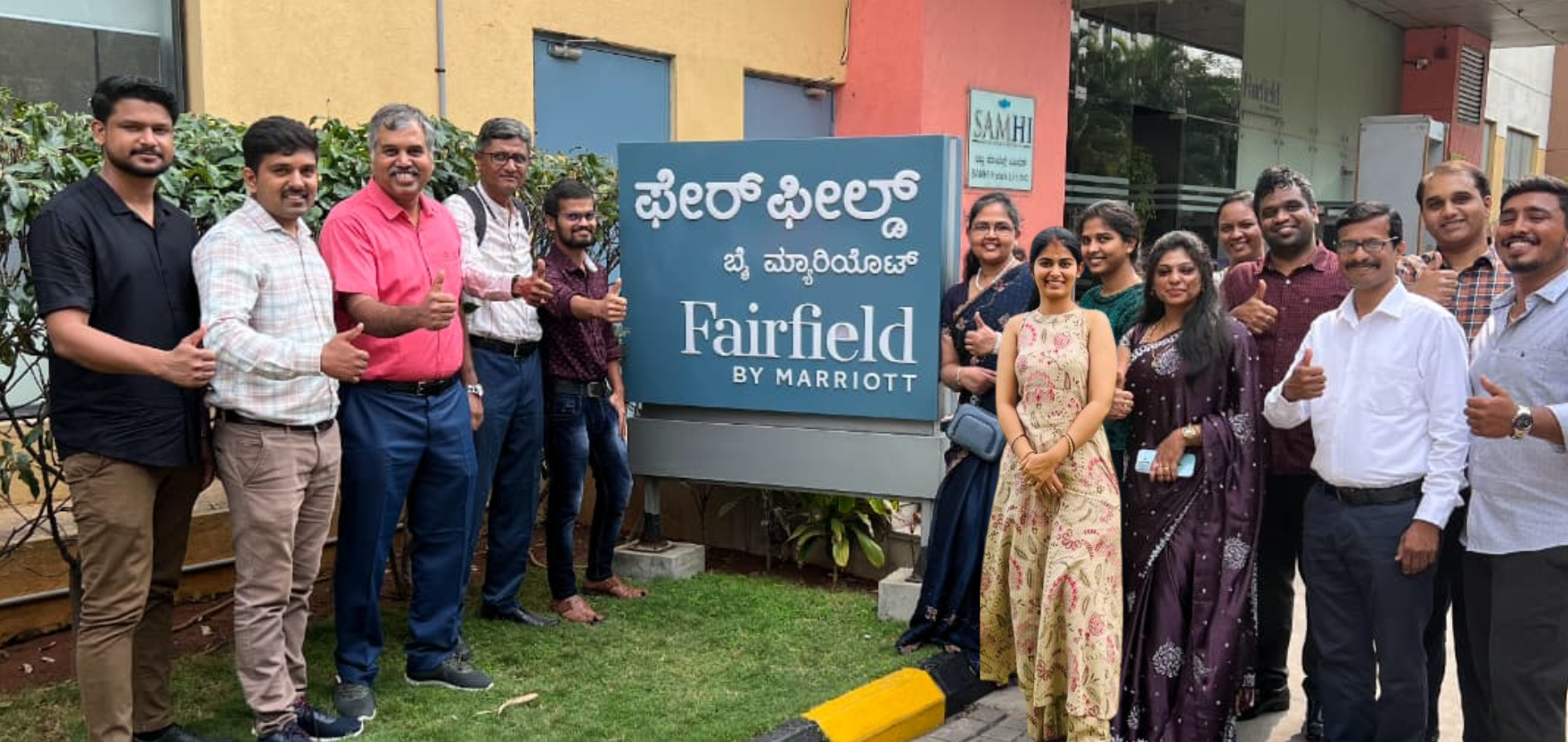
Cisco & Check Point Certified
Our fibre engineers hold active certifications — not just experience claims.
OTDR Testing on Every Link
Every fibre strand is OTDR‑tested. You receive full trace and loss report.
Fusion Splicing with <0.05dB Loss
We use fusion splicers, not mechanical splices, for permanent low‑loss connections.
Full As‑Built Documentation
AutoCAD fibre routing, splice loss tables, and OTDR trace archives.
AMC with Annual OTDR Re‑test
Optional AMC contracts include proactive fibre health checks and cleaning.
Pan‑India Deployments
Multi‑site fibre rollouts from a single vendor. No coordination headache.
Our Fibre Deployment Process
Site Assessment
Route survey, distance measurement, obstacle identification.
Design & Proposal
Fibre type (OM3/OM4/OS2), strand count, splice points, BOM.
Pathway Prep
Conduit, tray, or direct burial – with bend radius protection.
Cable Pulling
Gentle pulling with tension monitoring, no kinking.
Fusion Splicing
Low‑loss splicing, splice tray organisation, connector termination.
OTDR Testing
Every strand tested – loss, reflectance, length. Report delivered.
Real Projects. Real Engineers. Real Sites.
Live enterprise deployments across Karnataka and Tamil Nadu — including fibre backbones, data centre links, and campus networks.
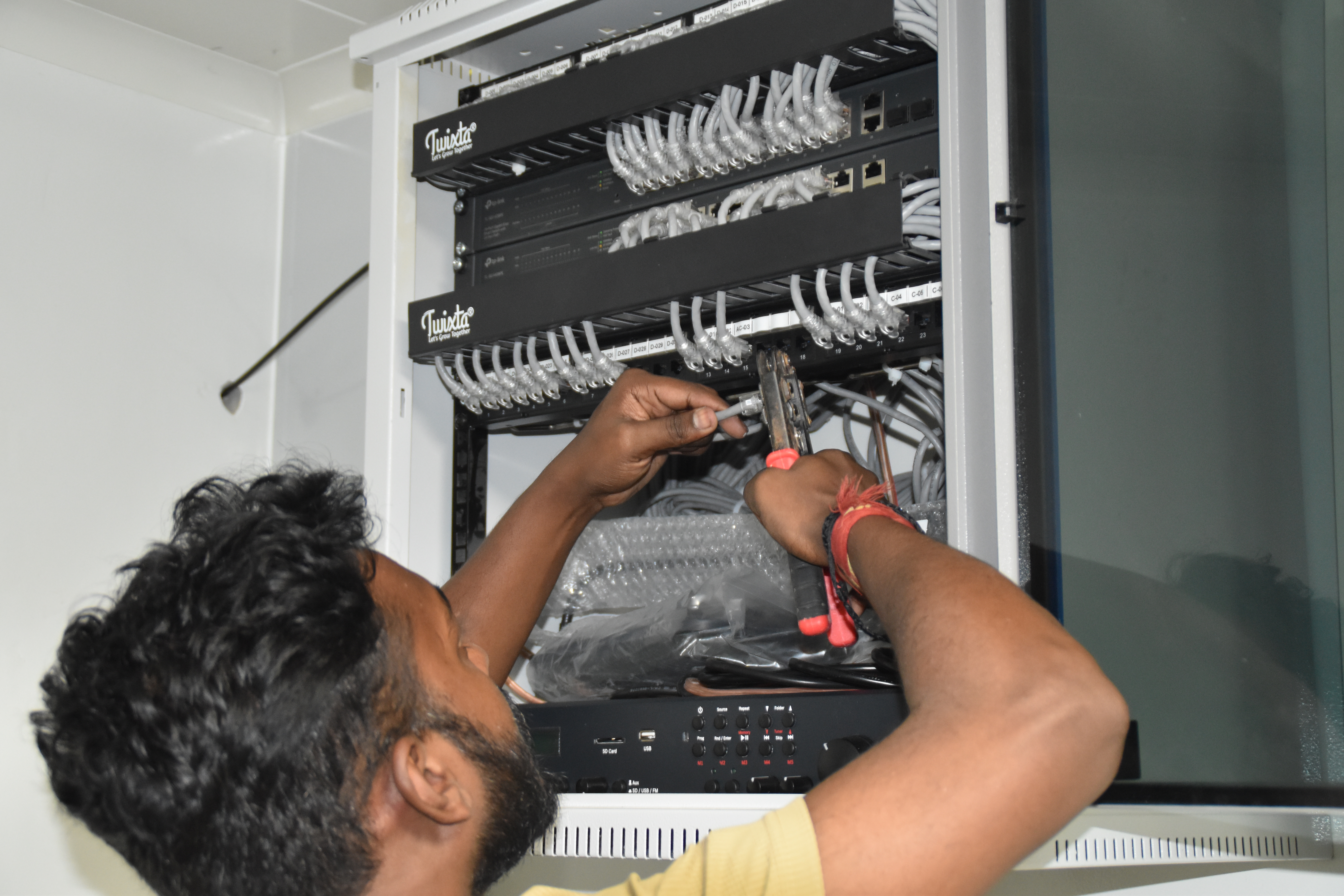
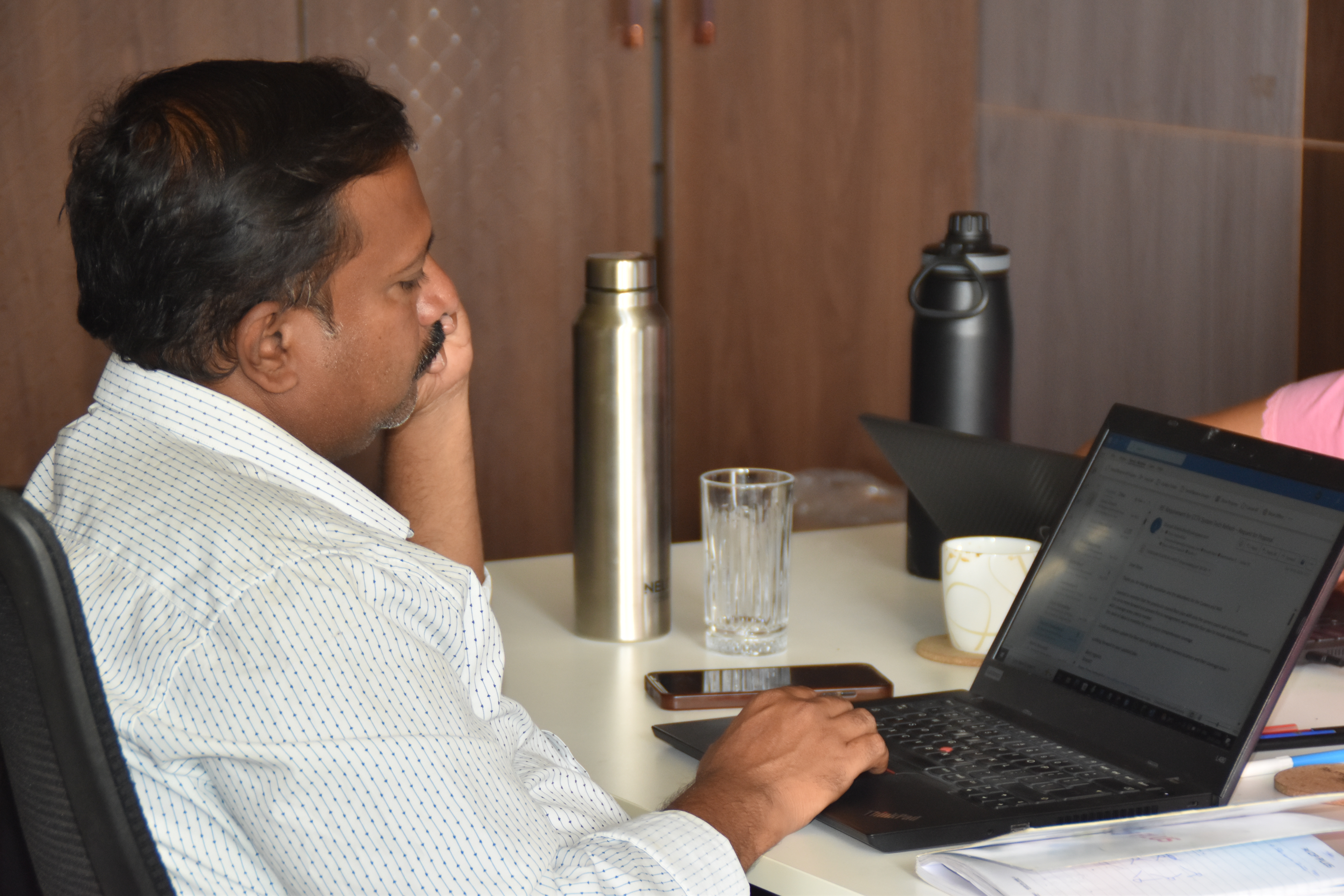
Resident IT engineer support — Yaas Technology Solutions, Karnataka
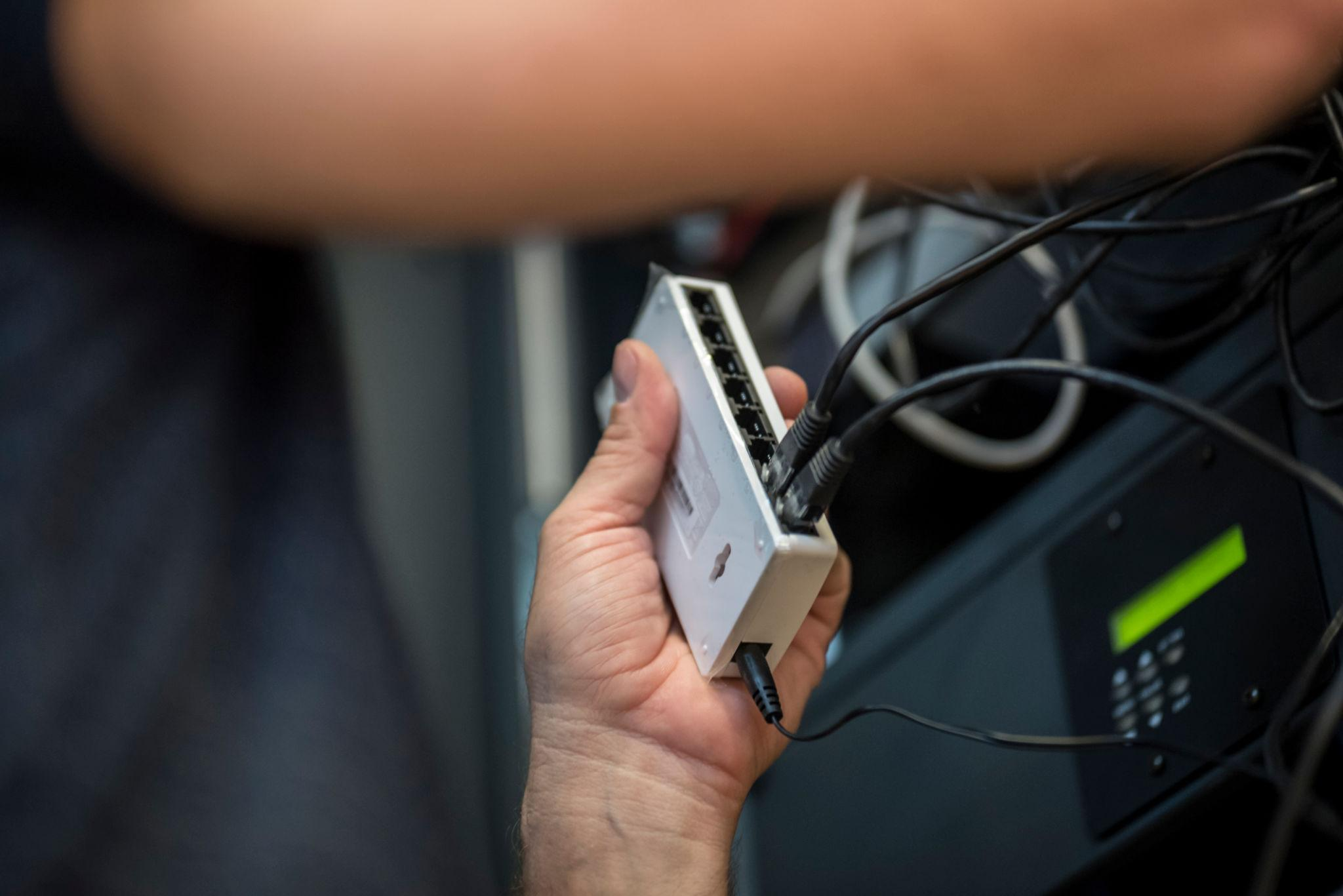
Enterprise WiFi deployment — Somerset Therapeutics, Karnataka
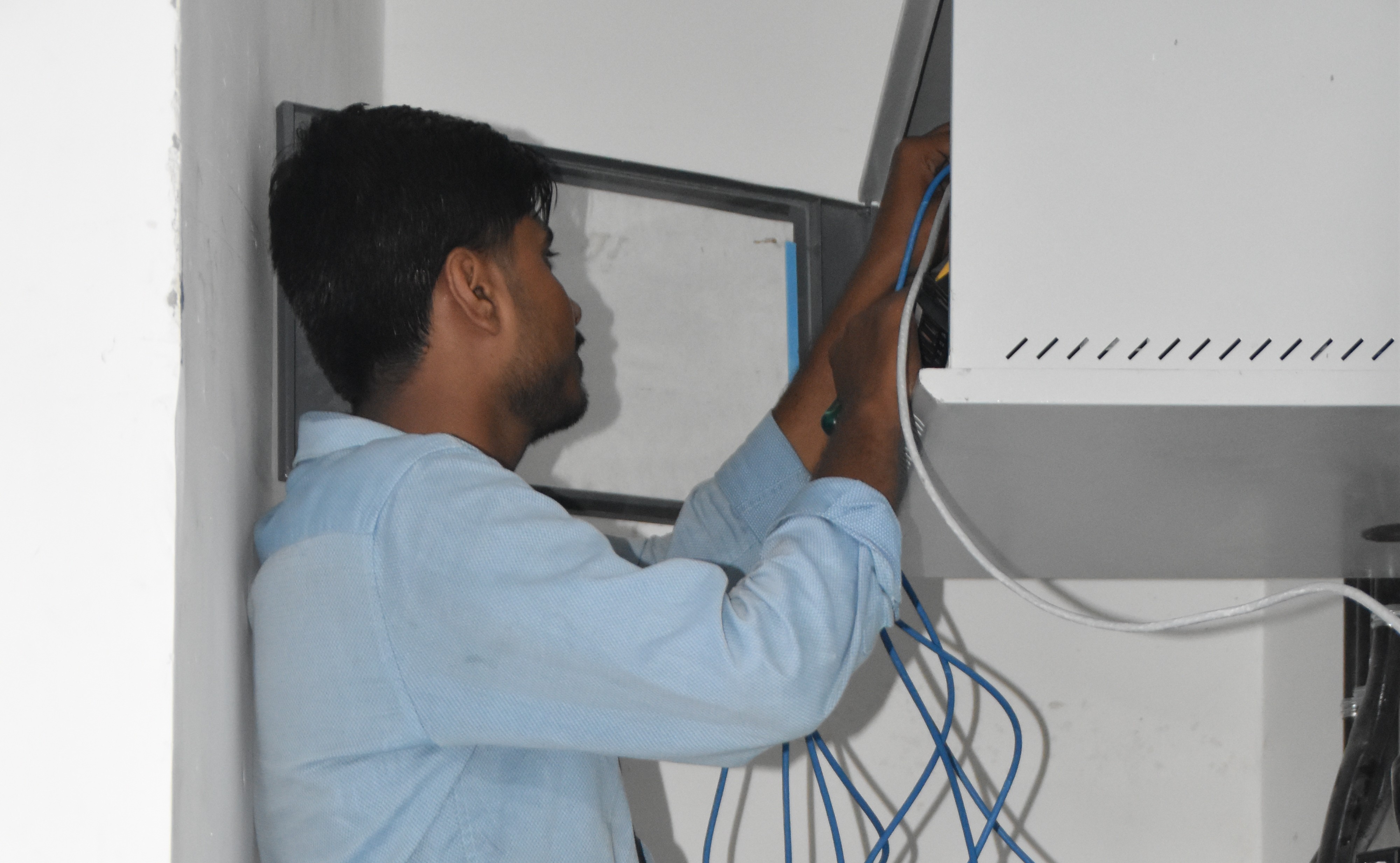
Structured cabling & CCTV infrastructure — Eriez, Tamil Nadu
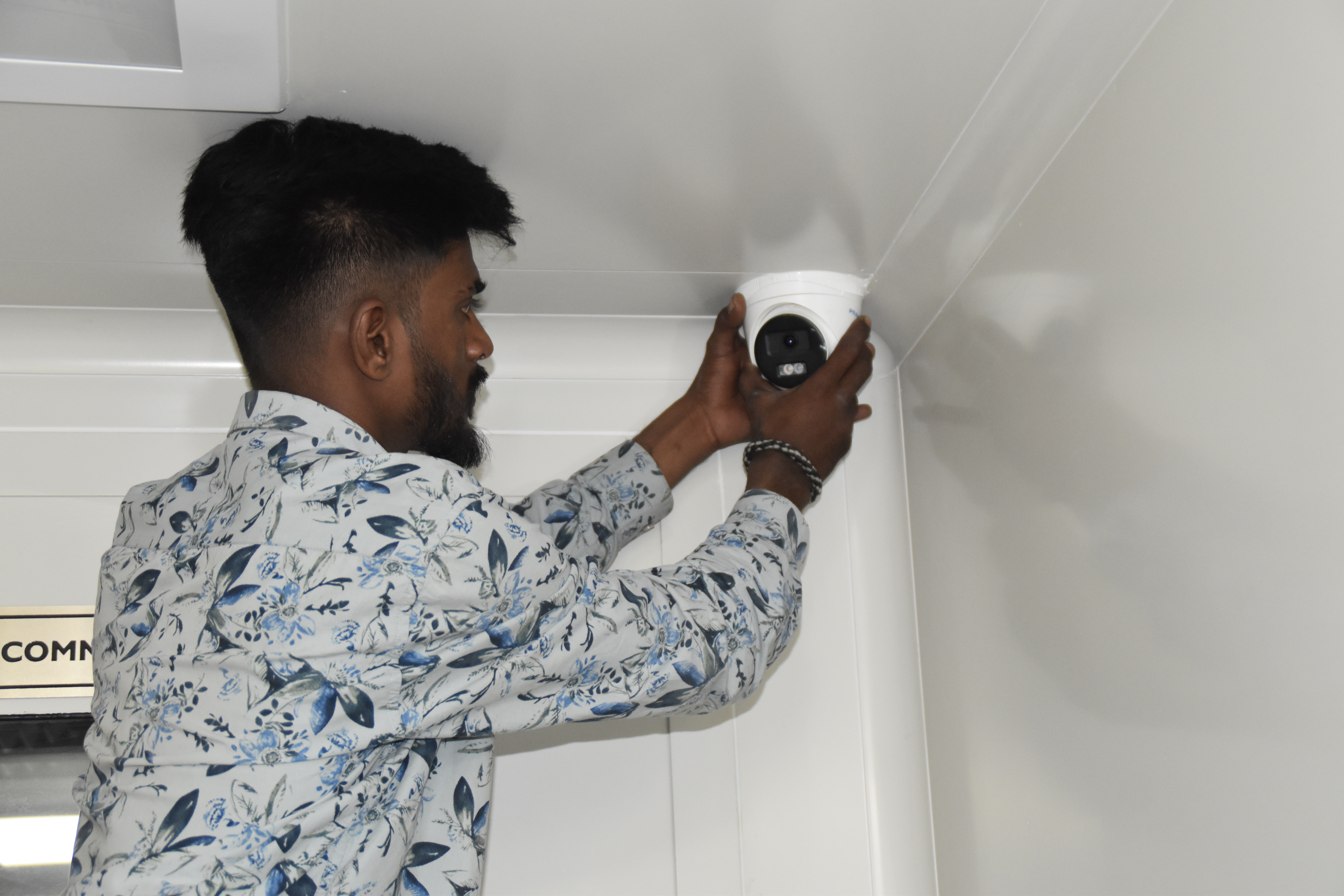
Break‑fix troubleshooting & stabilization — AEOS Labs, Karnataka
Healthcare network deployment — HCG Cancer Hospital Tower 6, Karnataka
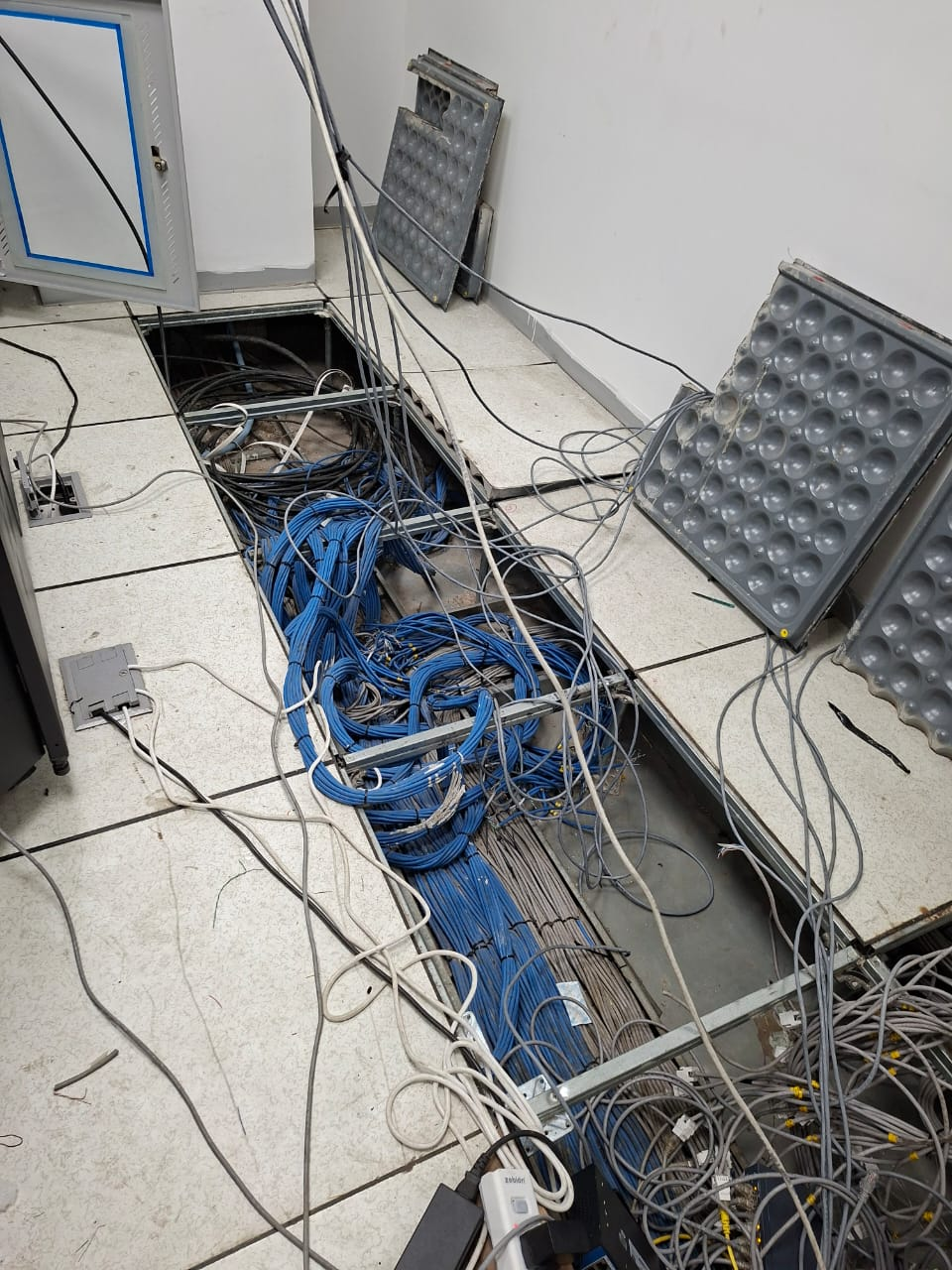
Enterprise infrastructure rollout — KRR Engineering Solutions, Tamil Nadu
25+ Enterprise Deployments Across South India
Structured cabling, fibre backbones, WiFi, CCTV, firewalls, biometrics, managed services.
Trusted Across Industries
Hospitals & Healthcare
Schools & Universities
Manufacturing Plants
Corporate Offices
Retail Chains
Real Estate & Builders
Warehouses & Logistics
Banking & Finance
“Layerix installed a 24‑core OS2 backbone between our three buildings. OTDR traces were perfect, and the network has been flawless for 18 months.”
IT Director
Multi‑campus Educational Institution, Bangalore
“Our data centre needed OM4 links to support 40G uplinks. Layerix fusion‑spliced and tested everything within a week. Professional and thorough.”
Data Centre Manager
Cloud Services Provider, Chennai
Frequently Asked Questions
Everything you need to know about our optical fibre cabling services.
What is the difference between single‑mode and multi‑mode fibre?+
Single‑mode fibre (OS2) uses a 9µm core and laser light for long distances (up to 10km+). Multi‑mode fibre (OM3/OM4) uses a 50µm core and VCSELs for shorter distances (300‑550m). Single‑mode is for inter‑building and WAN; multi‑mode is for campus backbones and data centres.
What is OTDR testing and why is it required?+
OTDR (Optical Time‑Domain Reflectometer) testing characterises every fibre link – measuring loss, return loss, and pinpointing any faults (e.g., bad splices or connectors). It provides a graphical trace and pass/fail results. We OTDR‑test every strand and provide the report.
How much does fibre optic cabling cost in India?+
Costs depend on fibre type (OM3, OM4, OS2), strand count, distance, and termination method. Typical: ₹150–₹300 per metre for cable + ₹500–₹1,200 per termination. A 12‑core OS2 backbone (500m) may cost ₹1.2–₹2.5 lakhs installed and tested. Layerix provides a site survey and fixed‑price BOQ.
What is fusion splicing?+
Fusion splicing permanently joins two fibres by melting them together with an electric arc. It produces the lowest possible loss (<0.05dB) and highest reliability. We use fusion splicing for all backbone and long‑distance fibre links.
How long does a fibre installation take?+
A typical inter‑building fibre link (2‑4 buildings, 12‑24 cores) takes 5‑10 working days – survey, pathway prep, pulling, splicing, OTDR testing, and documentation. Larger campus or data centre projects take 2‑4 weeks.
Do you provide warranty on fibre installations?+
Yes – 5‑year workmanship warranty on all fibre installations (splices, connectors, enclosures). Extended AMC plans include annual OTDR re‑testing, cleaning, and break‑fix support with 12×6 SLA.
Our Success Stories
Real results from enterprises across India
































Ready to Light Up Your Network with Fibre?
Book a fibre assessment today. Our engineer visits, measures routes, and gives you a fixed‑price proposal — no obligation.
Response within 2 business hours · Pan‑India deployments · Cisco Certified team