
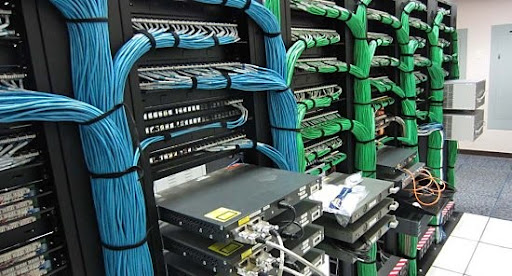
Enterprise Cat6/Cat6A Cabling
for Corporate Offices
Fluke‑tested, TIA/EIA compliant, and priced by data point with a fixed‑price BOQ after a site survey.
Cat6A: 10 Gbps @ 100m
100‑node office: ₹1.5–4 lakhs all‑inclusive
Including survey, install, Fluke test
Optional AMC with 12×6 SLA
Trusted by 30+ enterprises across India





Complete Copper Structured Cabling
From Cat6 to Cat6A, shielded to unshielded – we design, install, and certify your copper network infrastructure.
Cat6 Cabling (UTP/FTP)
High‑performance horizontal cabling supporting 1 Gbps to the desktop and 10 Gbps up to 55 metres. UTP or FTP options.
Cat6A Cabling (10G Ready)
Full 10 Gbps at 100 metres with superior shielding against alien crosstalk. Ideal for new office builds and 10GBase‑T networks.
Shielded vs Unshielded (STP/FTP vs UTP)
Expert guidance on whether your environment needs shielded cabling to mitigate EMI from heavy machinery or electrical interference.
Patch Panels & Termination
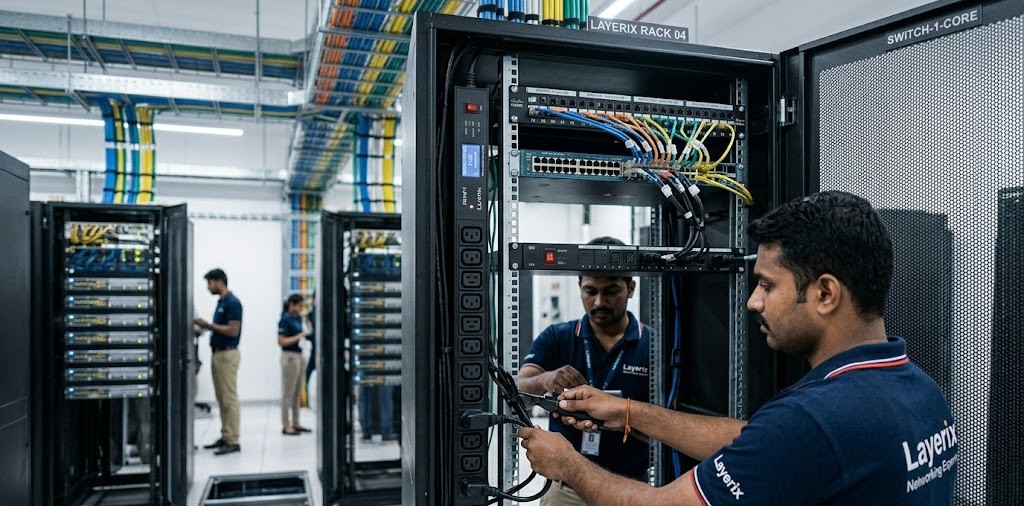
24/48‑port Cat6/Cat6A patch panels, keystone jacks, and complete termination to T568A or T568B standards.
Cable Management & Labelling
Neat dressing with velcro, vertical/horizontal managers, and clear port labelling – your IT team will thank you.
Fluke Testing & Certification
Every link tested with Fluke DSX CableAnalyzer – you receive a Pass/Fail report and can be confident your cabling meets TIA specs.
Why 30+ Enterprises
Choose Layerix
Most cabling companies install cables. We design infrastructure. There's a difference — and your IT team will feel it 5 years from now when you're expanding and the cabling still works perfectly.
Cisco & Check Point Certified
Our engineers hold active vendor certifications — not just experience claims.
Design‑First Approach
We draw your cabling plan before touching a single cable. No improvisation on site.
Every Link Fluke‑Tested
Cat6/6A links certified with Fluke DSX tester. Report handed to you on completion.
Full As‑Built Documentation
AutoCAD drawings, port schedules and test reports. Not just install and vanish.
AMC & Break‑Fix Support
12×6 support contracts, SLA‑backed response and resident engineer options.
Pan‑India Deployments
Multi‑site rollouts from a single vendor. No co‑ordination headache for you.
From Survey to Sign‑off in 5 Steps
Site Assessment
Our engineer visits your site, measures cable routes and understands your IT requirements.
Design & Proposal
We deliver a scaled cabling plan with port schedule, BOM and fixed‑price quote within 48 hours.
Installation
Certified technicians install, dress and label every cable to TIA‑568 standards.
Fluke Test & Certify
Every link is Fluke‑tested. We hand you the test report and as‑built drawings.
Handover & AMC
Official handover with documentation. Optional AMC contract for ongoing support.
Cat6 vs Cat6A – Which One Do You Need?
| Feature | Cat6 | Cat6A |
|---|---|---|
| Max Speed | 1 Gbps @ 100m 10 Gbps @ ≤55m | 10 Gbps @ 100m |
| Shielding | UTP or FTP (optional) | FTP or STP (shielded, better alien crosstalk protection) |
| Best For | Typical office LAN, 1 Gbps desktops | 10GBase‑T, data centres, high‑density office |
| Cost (approx. per point) | ₹800–₹1,800 | ₹1,200–₹2,500 |
| Future‑proof | Good for 5–10 years | Ready for 15–20 years |
*Costs are indicative and depend on site conditions. Layerix provides a fixed BOQ after site survey.
Real Projects. Real Engineers. Real Sites.
Live enterprise deployments across Karnataka and Tamil Nadu — including healthcare, manufacturing, pharmaceutical, co‑working and IT environments.
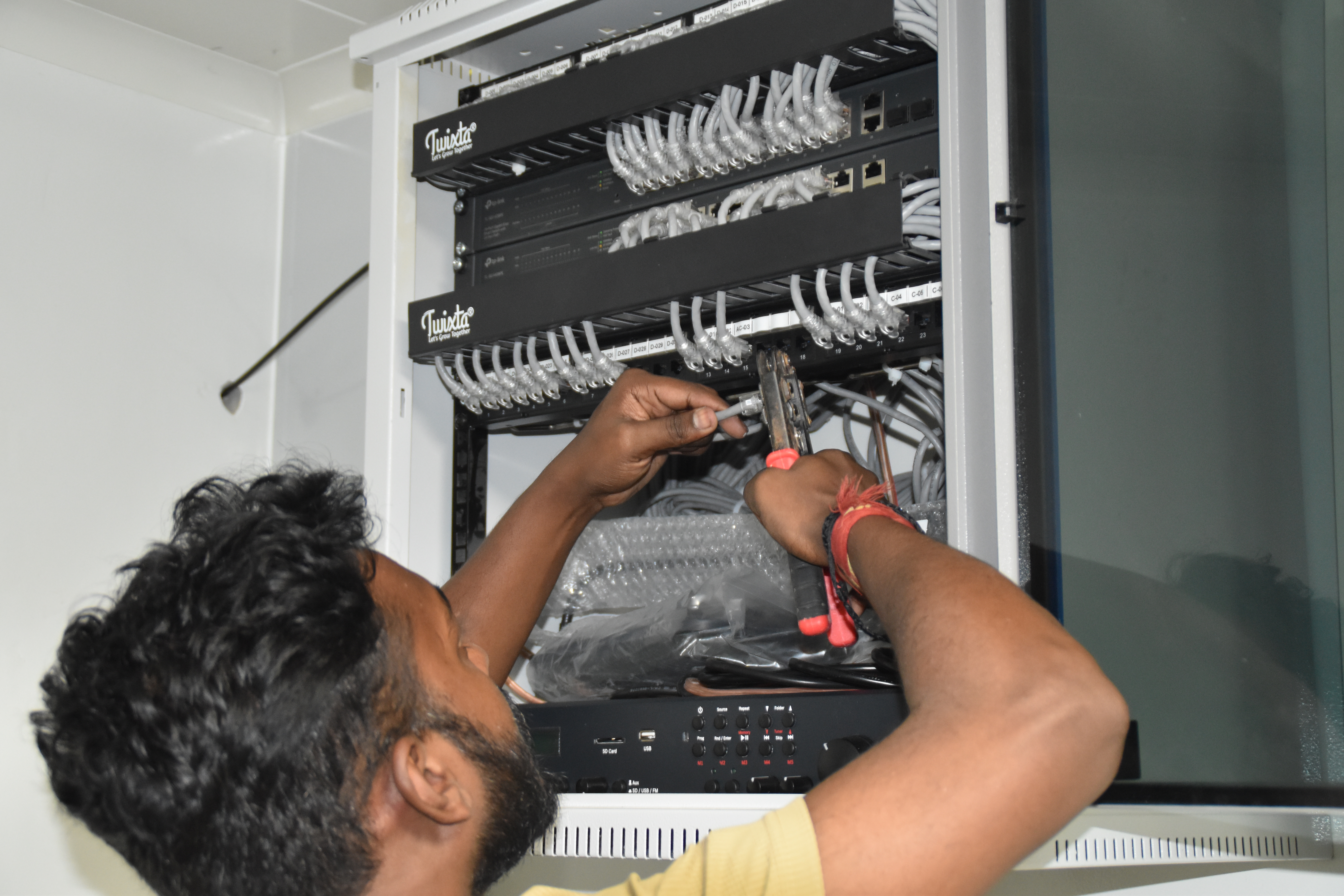
Resident IT engineer support — Yaas Technology Solutions, Karnataka
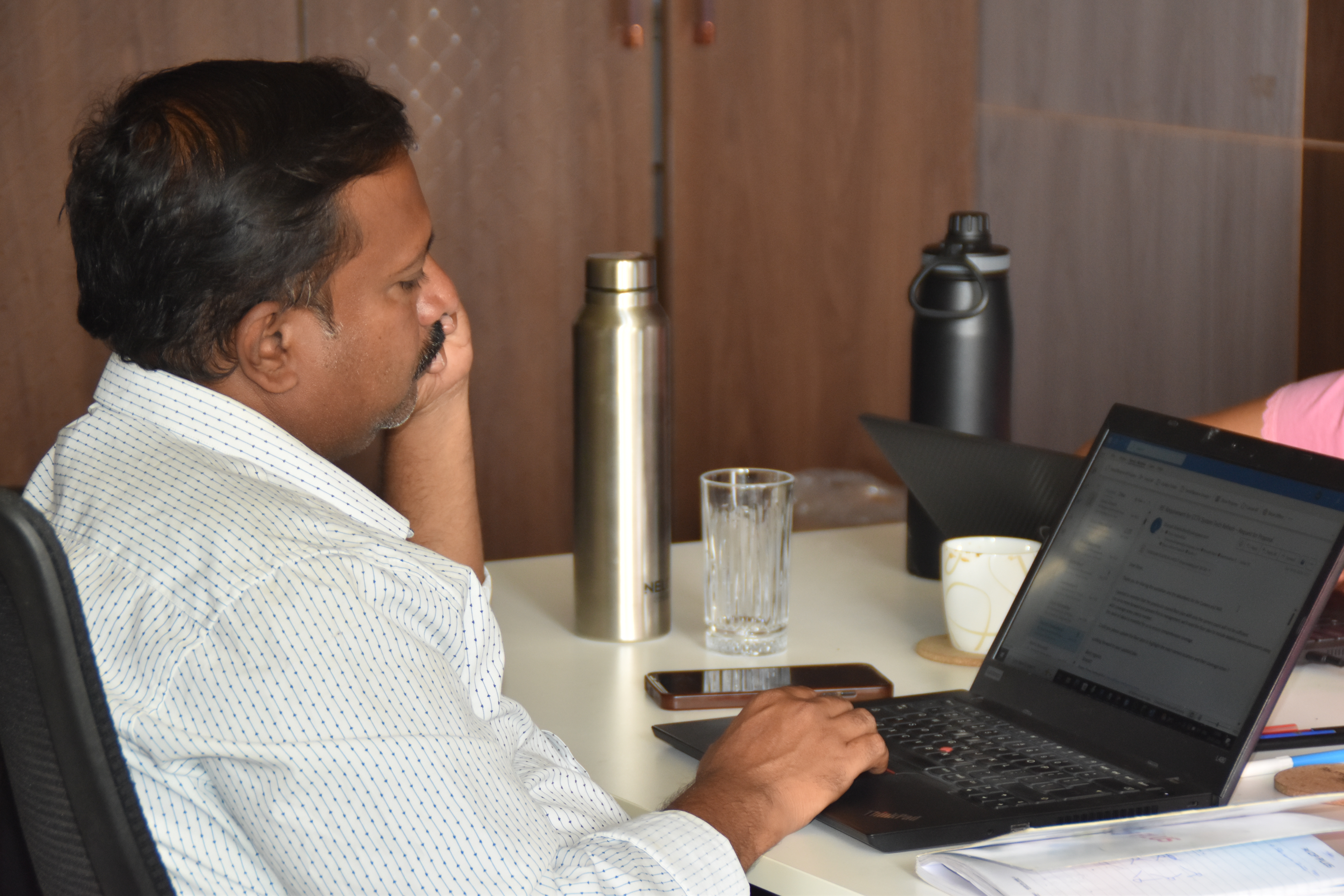
Enterprise WiFi deployment — Somerset Therapeutics, Karnataka
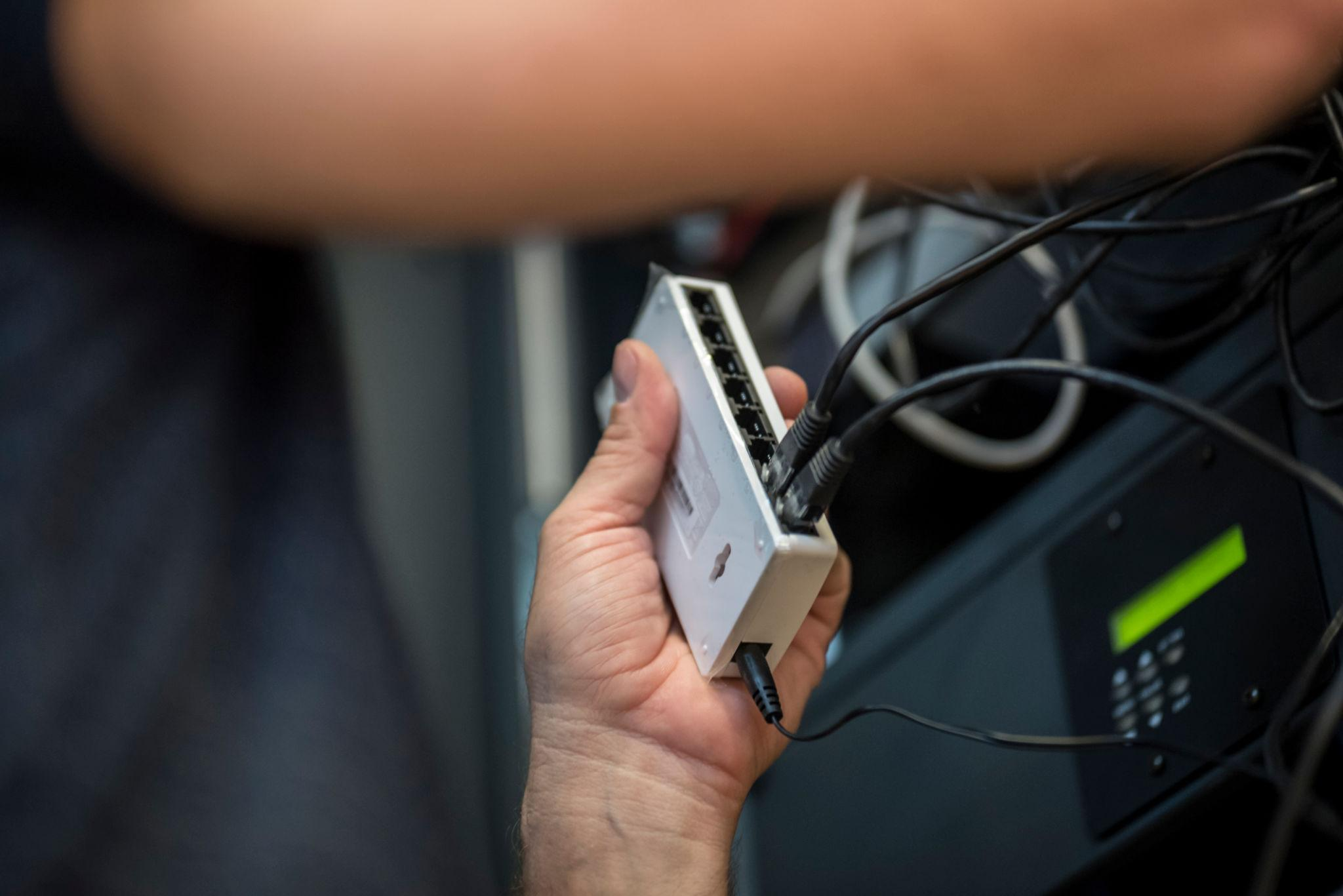
Structured cabling & CCTV infrastructure — Eriez, Tamil Nadu
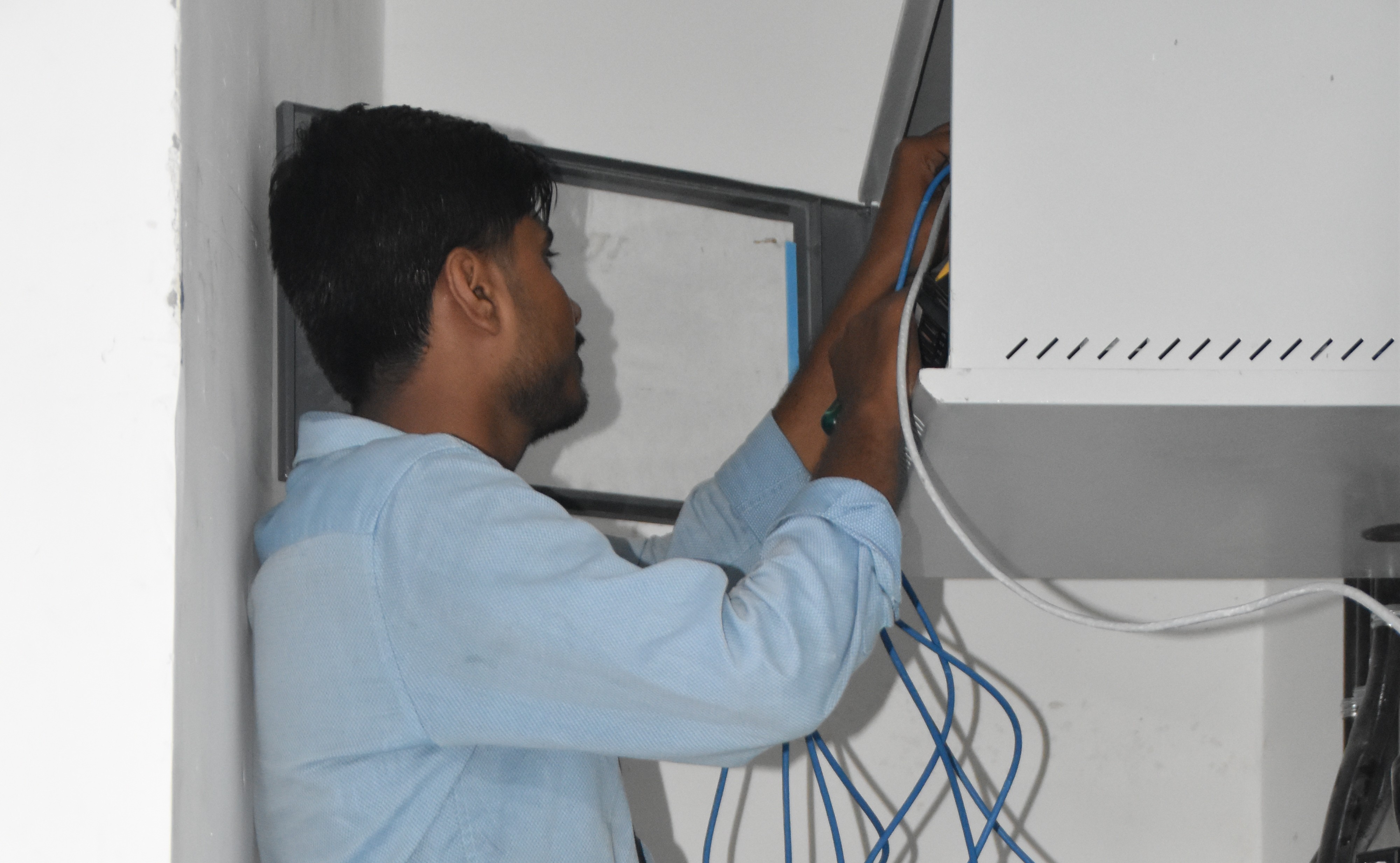
Break‑fix troubleshooting & stabilization — AEOS Labs, Karnataka
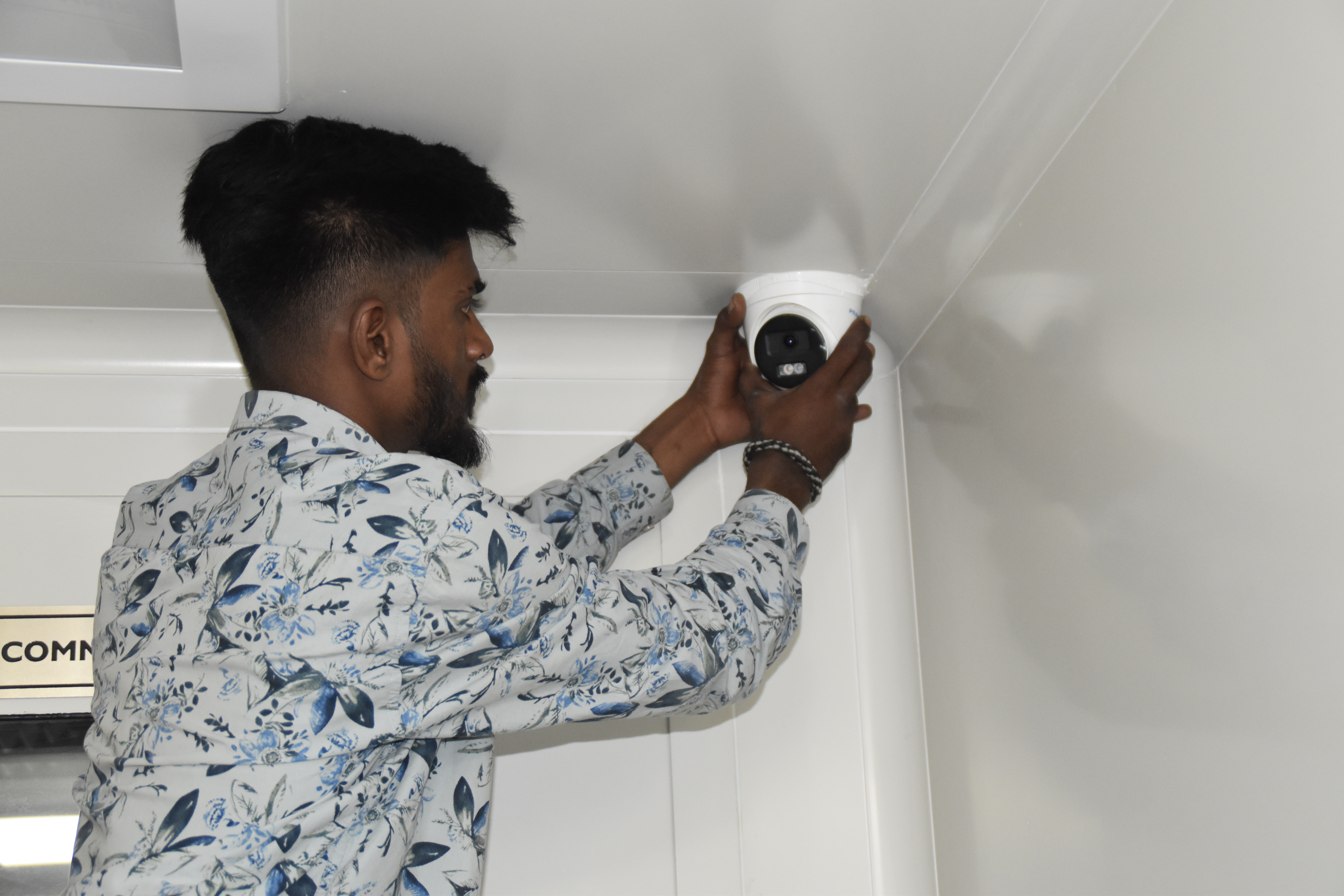
Healthcare network deployment — HCG Cancer Hospital Tower 6, Karnataka
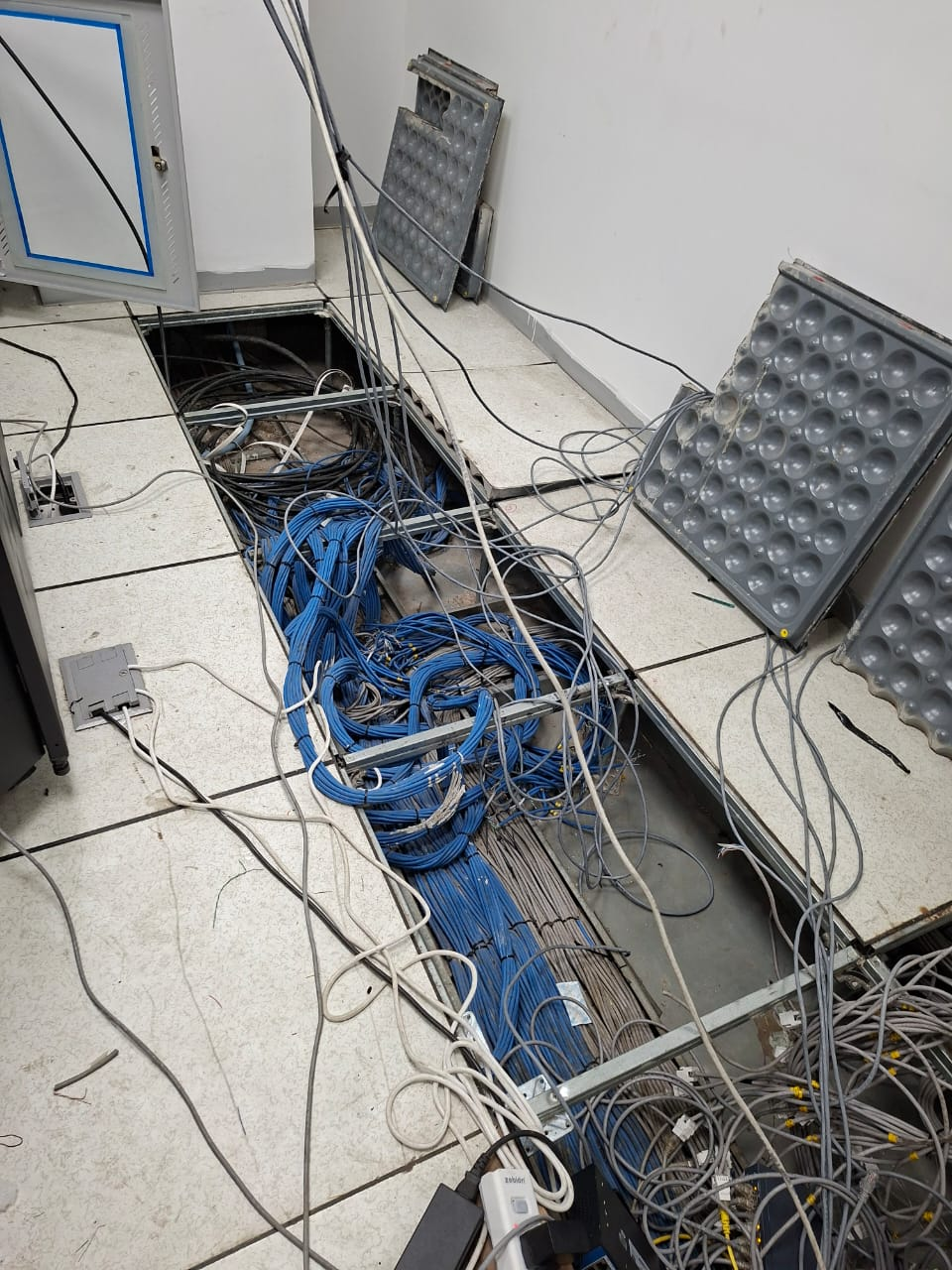
Enterprise infrastructure rollout — KRR Engineering Solutions, Tamil Nadu
25+ Enterprise Deployments Across South India
Structured cabling, WiFi, CCTV, firewalls, biometrics, managed services and enterprise networking infrastructure.
Trusted Across Industries
Hospitals & Healthcare
Schools & Universities
Manufacturing Plants
Corporate Offices
Retail Chains
Real Estate & Builders
Warehouses & Logistics
Banking & Finance
“Layerix installed Cat6A across our new 200‑seat office in Bangalore. The Fluke test reports gave us total confidence, and the cable dressing is the neatest I've ever seen.”
IT Director
Corporate Office, Bangalore
“We needed a pan‑India rollout of Cat6 for 12 warehouses in 60 days. Layerix delivered on time, with consistent quality and documentation across every site.”
Infrastructure Manager
Logistics Company, Pan‑India
Frequently Asked Questions
Everything you need to know about our copper structured cabling services.
What is the difference between Cat6 and Cat6A cabling?+
Cat6 supports up to 1 Gbps at 100 metres and 10 Gbps at shorter runs (up to 55m). Cat6A supports 10 Gbps at full 100‑metre runs with better shielding against alien crosstalk. For new office builds or data centers targeting 10GBase‑T, Cat6A is the recommended standard.
Should I choose shielded (STP/FTP) or unshielded (UTP) Cat6 cabling?+
Unshielded (UTP) Cat6/Cat6A is standard for typical office environments and is what most Indian corporate offices use. Shielded (STP/FTP) cabling is recommended only where cable runs pass near heavy electrical equipment, elevator motors, or industrial machinery that could cause electromagnetic interference. Layerix's site survey identifies whether your building layout needs shielded cabling before quoting.
What is the difference between T568A and T568B wiring standards?+
T568A and T568B are two wiring pinout standards for RJ45 connectors — they differ only in the order two wire pairs are terminated (orange and green pairs are swapped). Either standard works electrically; what matters is consistency across your entire installation. Layerix standardizes on T568B unless a client's existing infrastructure requires T568A for compatibility.
How much does Cat6 / Cat6A cabling cost in India?+
Structured cabling costs in India typically range from ₹800 to ₹2,500 per data point depending on cable grade (Cat6 vs Cat6A), building complexity, conduit requirements, and brand of passive components. A 100‑node office project may range from ₹1.5 to ₹4 lakhs all‑inclusive. Layerix provides detailed BOQ‑based quotations after a site survey.
What is Fluke certification and why is it important?+
Fluke certification uses Fluke Networks' DSX CableAnalyzer to test every cable run against TIA or ISO standards. Each run receives a Pass/Fail result based on insertion loss, NEXT, return loss, and propagation delay. Certified test reports prove that your cabling performs to specification.
How long does structured copper cabling last?+
Quality Cat6/Cat6A cabling installed to TIA/EIA‑568 standards has a rated lifespan of 15–25 years. Cat6A infrastructure installed today will comfortably support 10GBase‑T speeds for the next two decades.
How long does a typical office cabling project take?+
A standard 100‑node office (Cat6/Cat6A) is typically completed in 5–7 working days – including site survey, material procurement, installation, Fluke testing, and handover. Larger enterprise floors (500+ nodes) may take 3‑4 weeks. We always provide a fixed timeline in our proposal before you sign.
Do you provide a warranty on structured cabling installations?+
Absolutely. We provide a standard 5‑year workmanship warranty on all cabling installations (covering labelling, termination quality, and physical infrastructure). Additionally, we offer extended AMC plans that include proactive health checks and break‑fix support with a 12×6 SLA.
Our Success Stories
Real results from enterprises across India



































Ready to Build Your Network Right?
Book a site assessment today. Our engineer visits, understands your requirements and gives you a fixed‑price proposal — no obligation.
Response within 2 business hours · Pan‑India deployments · Cisco Certified team