

PA Mixer & Amplifier Systems
DSP · Sizing · Fire‑Alarm Interface
DSP, mixers, and amplifiers for public address systems. Amplifier sizing, rack design, fire‑alarm interface, and signal chain integration. Pan‑India.
→ 100V Line → Speakers
20‑30% headroom margin
Delay · Routing · Presets
BMS · Backup/Rack Ventilation
Trusted by 30+ enterprises across India





Complete PA Signal Chain Infrastructure
From DSP programming to amplifier sizing and fire‑alarm interface – all delivered in‑house, pan‑India.

DSP Configuration & Programming
Digital Signal Processing – EQ, compression, limiting, delay alignment, crossovers, and zone routing. Custom presets per zone and use case.

Analogue Mixers & DSP-Mixers
Analogue and DSP‑based mixers – multi‑channel, mic/line inputs, built‑in effects, and remote control. For simple to complex PA systems.

100V Line & Low‑Impedance Amplifiers
100V line amplifiers for distributed PA, low‑impedance amplifiers for high‑fidelity zones. Sizing, topology, and integration with existing systems.

Rack Design & Ventilation
Equipment rack design – amplifier spacing, ventilation, cable management, power distribution, and UPS/backup integration.

Fire‑Alarm Interface & Priority Override
Dry contact and digital interface between fire‑alarm panel and PA amplifier – automatic override, evacuation tones, and priority logic.

Analogue‑to‑DSP Upgrades
Upgrade legacy analogue PA to DSP‑controlled – replace mixer, add DSP, retain speakers and amplifiers. Modern features without full replacement.
Why Enterprises Trust Our
Signal Chain Engineers
The signal chain is the heart of any PA system – from the microphone to the speaker. We design systems that ensure your audio is clean, reliable, and compliant, with the right amplification and processing for every zone.

Amplifier Sizing by Design
Zone‑by‑zone wattage calculations with 20‑30% headroom – ensuring reliable operation and room for expansion.
Zero Subcontracting
Every mixer, DSP, and amplifier project is configured and installed by our own engineers.
Full Signal Chain Integration
From microphones to speakers – we design and integrate the complete audio signal path.
Vendor‑Agnostic
We work with QSC, Crown, Yamaha, TOA, Bosch, and others – we recommend the right equipment, not a forced brand.
Full Documentation
Signal flow diagrams, DSP programs, rack layouts, and user guides – all delivered at handover.
AMC with DSP Program Backups
Annual maintenance contracts with DSP program backups, firmware updates, and 12×6 break‑fix support.
From Design to Deployment in 6 Steps
Needs & Signal Chain Assessment
Understand source requirements, zone loads, integration needs, and compliance (fire‑alarm interface).
Equipment Specification
Select DSP/mixer, amplifier sizing, and rack accessories – based on zone load calculations.
Rack Design & Integration Plan
Design rack layout, ventilation, power distribution, and interfacing with fire‑alarm/BMS.
Installation & Configuration
100% in‑house team. Rack assembly, wiring, DSP programming, and amplifier setup.
Integration & Testing
Fire‑alarm interface test, priority override verification, audio quality checks, and SPL testing.
Handover & Documentation
Deliver signal flow diagrams, DSP files, rack layouts, and user training.
Analogue Mixer vs DSP‑Based System – Which Signal Chain?
| Feature | Analogue Mixer | DSP‑Based System |
|---|---|---|
| Processing | Basic level/eq (analogue) | EQ, compression, limiting, delay, routing |
| Flexibility | Fixed, hardware‑based | Software‑defined, presets recall |
| Remote Management | None | Network control, remote monitoring |
| Best For | Simple, single‑zone, fixed installations | Multi‑zone, complex acoustics, enterprise |
| Relative Cost | ₹ | ₹₹₹ |
*Layerix recommends DSP‑based systems for multi‑zone and enterprise PA deployments.
Real Mixer & Amplifier Deployments
Live mixer and amplifier installations across Karnataka and Tamil Nadu – corporate offices, hotels, educational institutions, and industrial sites.
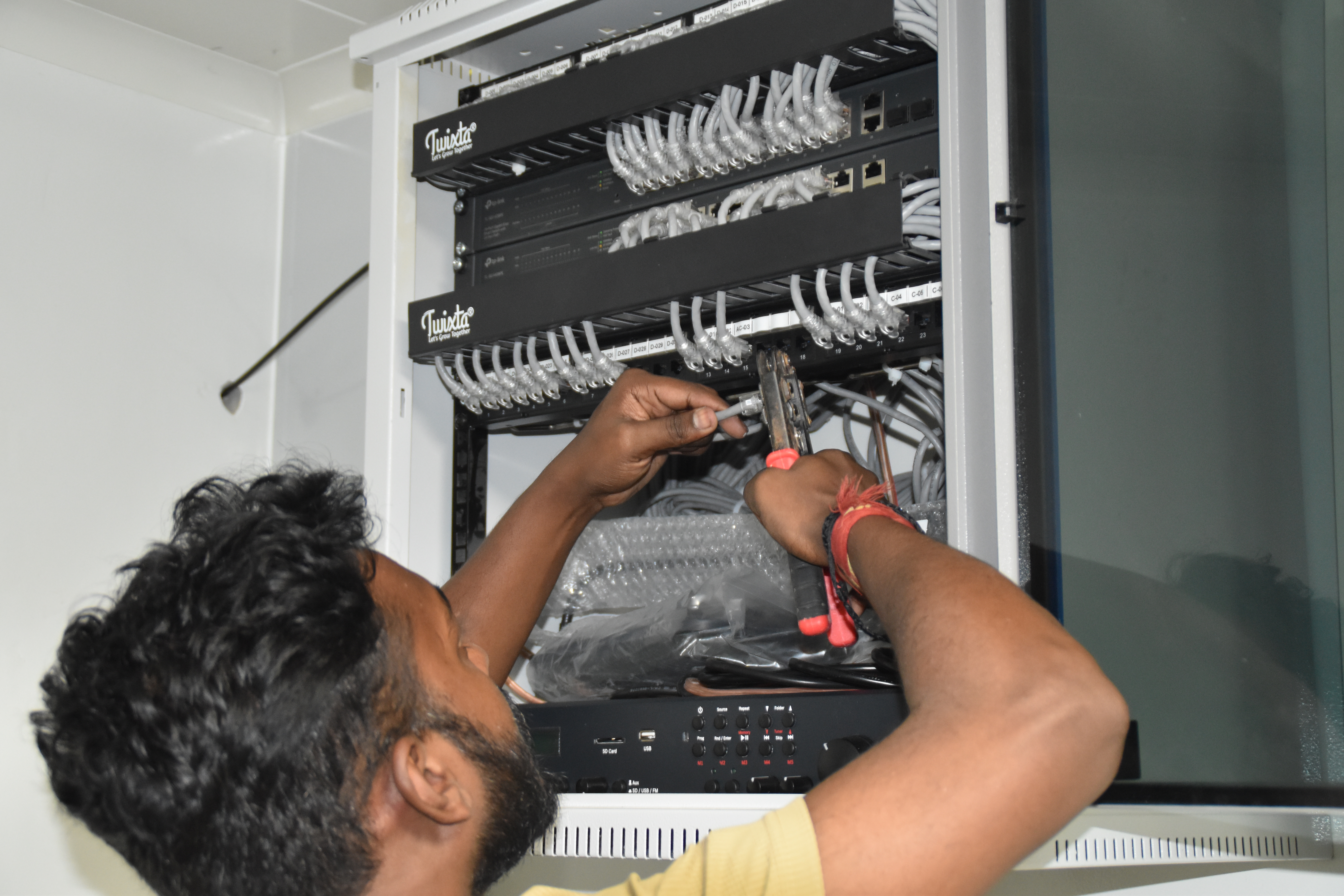
Resident IT engineer support — Yaas Technology Solutions, Karnataka

Enterprise WiFi deployment — Somerset Therapeutics, Karnataka
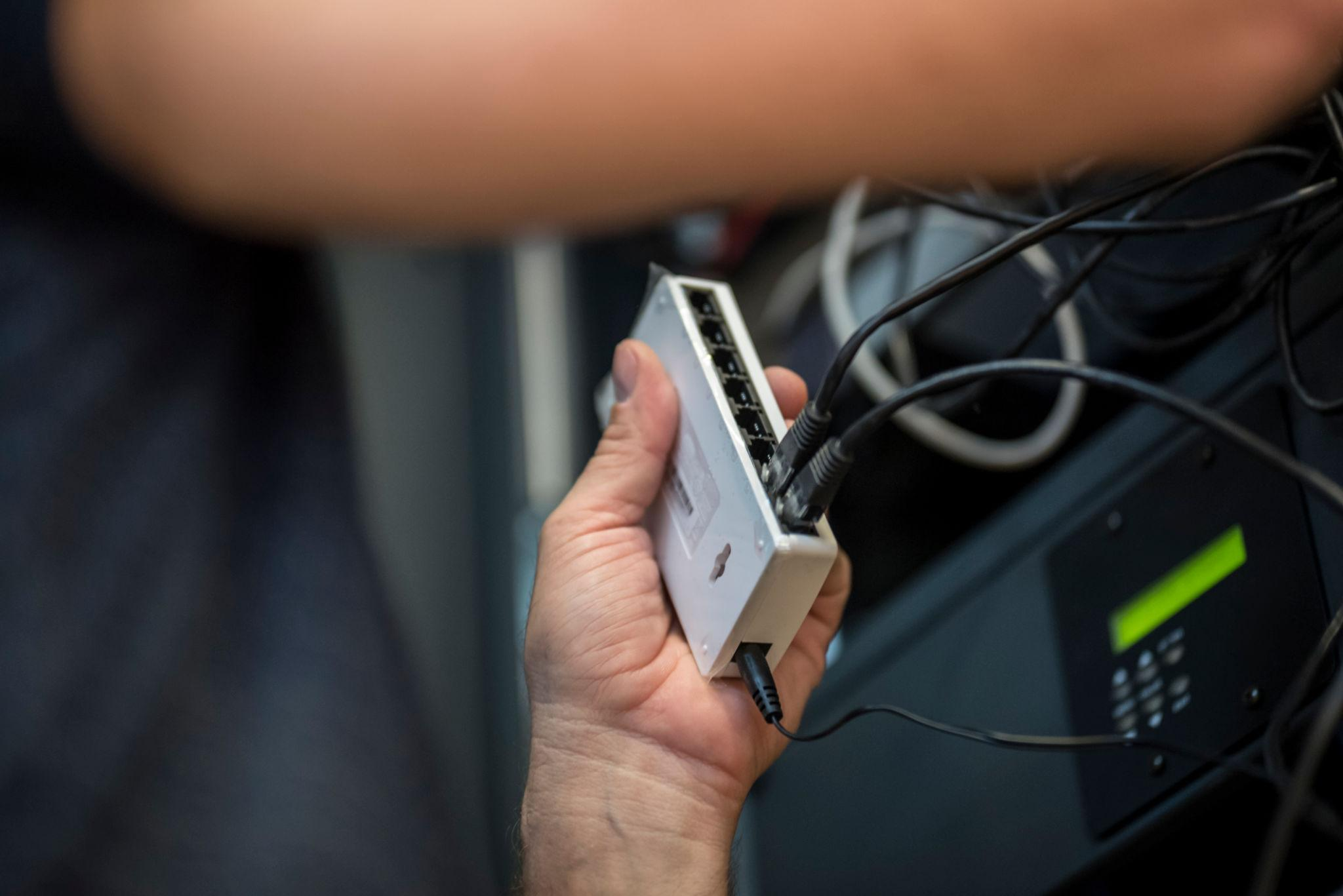
Structured cabling & CCTV infrastructure — Eriez, Tamil Nadu
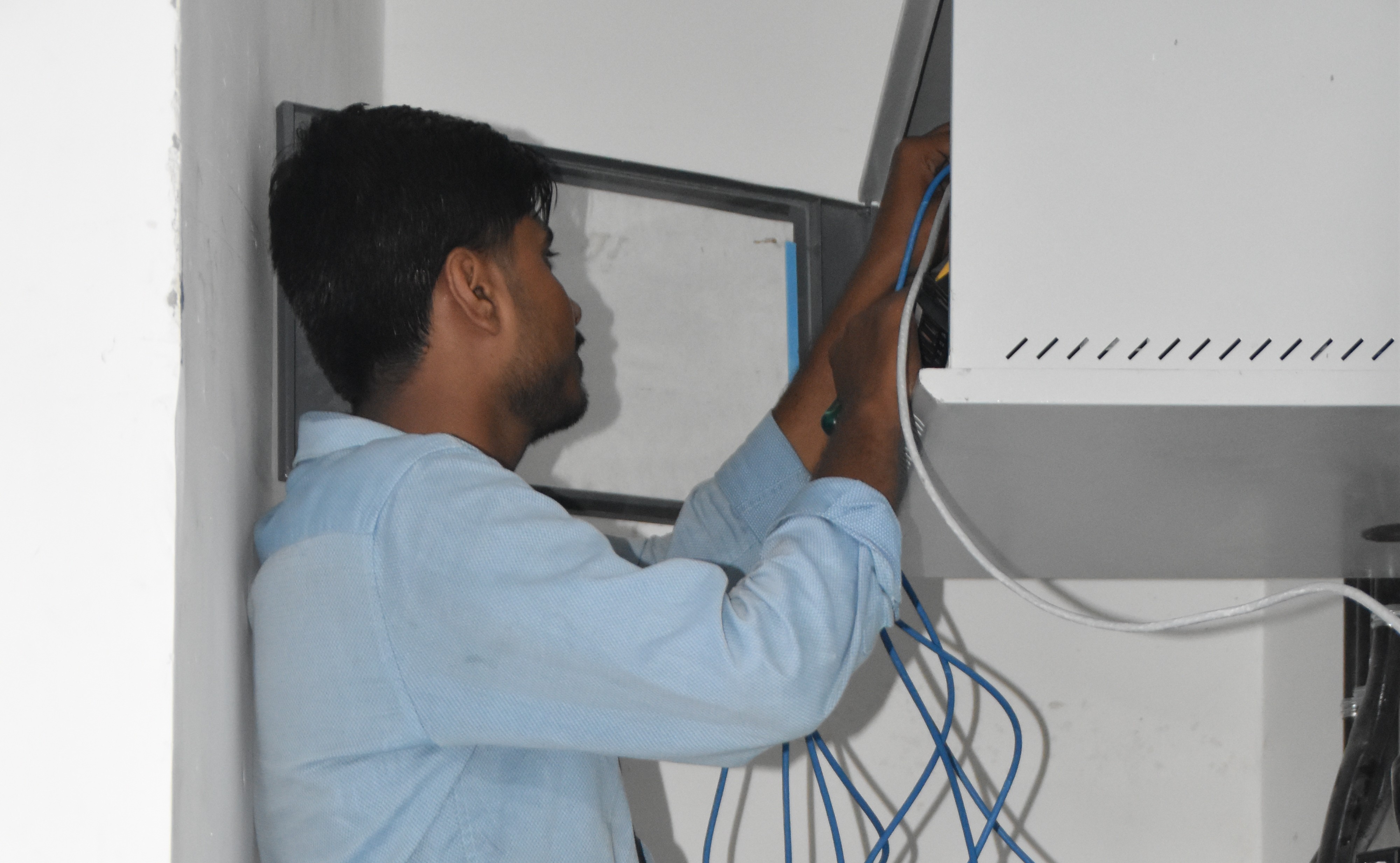
Break‑fix troubleshooting & stabilization — AEOS Labs, Karnataka

Healthcare network deployment — HCG Cancer Hospital Tower 6, Karnataka
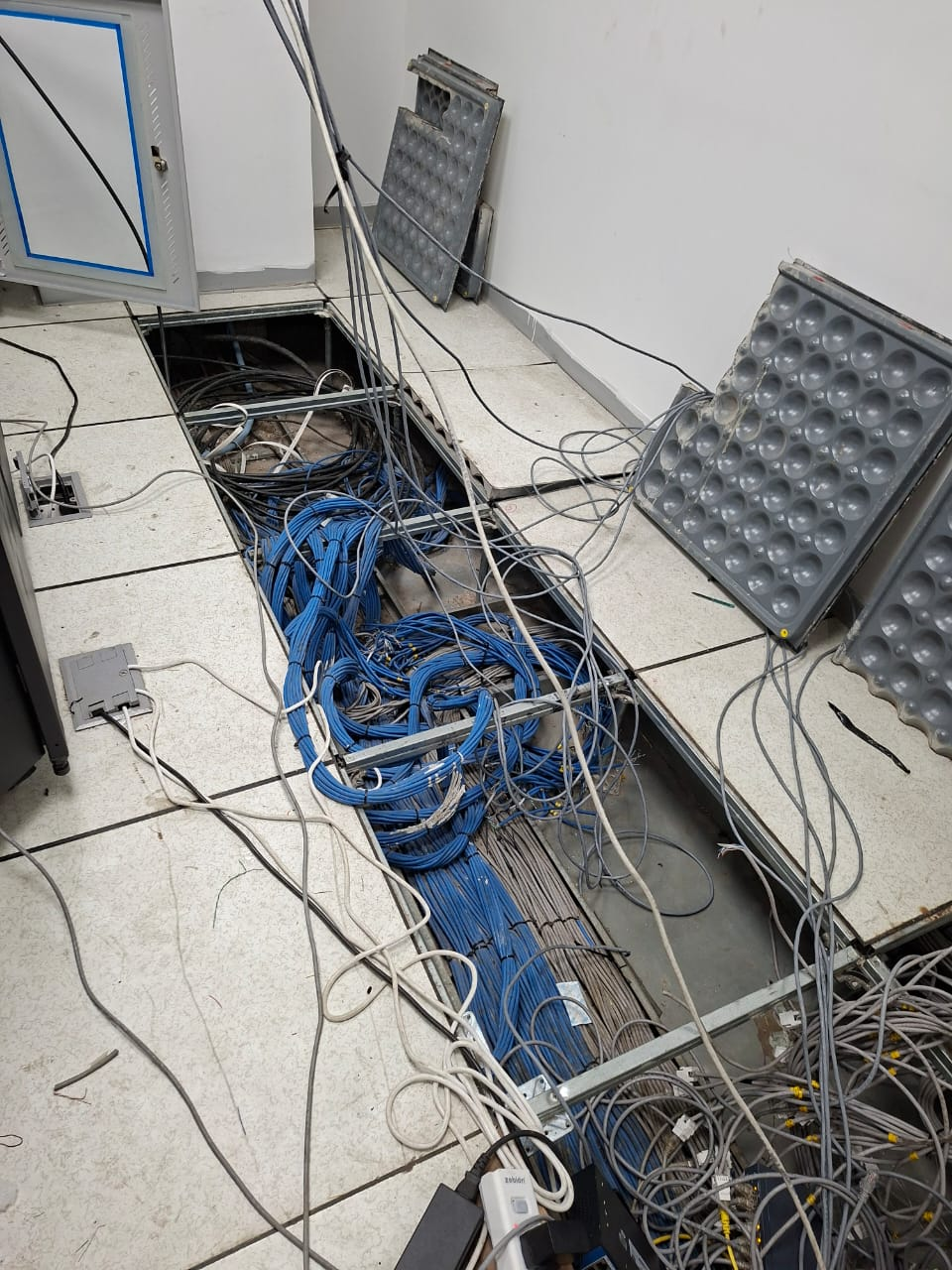
Enterprise infrastructure rollout — KRR Engineering Solutions, Tamil Nadu
25+ Enterprise Deployments Across South India
DSP, mixers, amplifiers, fire‑alarm interface – all delivered 100% in‑house.
Trusted Across Industries in India
Corporate Offices
Hospitals & Healthcare
Manufacturing & Industrial
Educational Institutions
Hotels & Hospitality
Government & Civic
Retail & Malls
Transport & Logistics
“Layerix upgraded our analogue PA mixer to a DSP‑based system across 8 zones. They retained our existing speakers and amplifiers, added EQ and compression, and gave us remote control. Huge improvement in clarity and flexibility.”
Facilities Director
Corporate Office, Bengaluru
“They designed and installed a 10‑zone amplifier rack with DSP and fire‑alarm interface for our 5‑star hotel. The rack ventilation and cable management are impeccable. Clear announcements and priority override tested and compliant.”
General Manager
Hotel Group, Mumbai
Frequently Asked Questions
Everything you need to know about PA mixers and amplifiers.
Do we need a DSP for our PA system?+
A DSP (Digital Signal Processor) is recommended for most enterprise PA systems – it provides EQ, compression, limiting, delay alignment, and zone routing. For systems with 4+ zones or complex acoustics, a DSP is essential. For simple single‑zone systems with limited coverage, an analogue mixer may suffice. Layerix recommends based on your system complexity.
How do you calculate amplifier wattage for PA zones?+
Total amplifier wattage is calculated by summing the tap wattage of all speakers in a zone, then adding a 20‑30% headroom margin. For example: 20 speakers × 6W tap = 120W total. Add 30% headroom = 156W amplifier. Layerix calculates zone‑by‑zone and ensures amplifier sizing matches load with proper safety margin.
What is the difference between a mixer and a DSP for PA systems?+
A mixer combines and adjusts audio levels from multiple sources – microphones, music players, paging stations. A DSP offers all mixer functions plus EQ, compression, limiting, delay, crossovers, and routing – all digitally controlled and recalled. For modern PA, DSP‑based mixers are the standard; analogue mixers are simple and cost‑effective for basic systems.
How does the fire alarm connect to the PA amplifier?+
Fire alarm systems connect to PA amplifiers via dry contact relays, voltage triggers, or digital interfaces. On activation, the PA system overrides all audio sources and broadcasts pre‑recorded evacuation messages or tones. Layerix designs and installs the interface, tests priority override, and verifies fire code compliance.
Can I upgrade an analogue mixer to DSP without replacing speakers?+
Yes. Layerix upgrades analogue PA systems to DSP‑controlled by replacing the mixer and adding DSP processing while keeping existing speakers and amplifiers. This adds EQ, compression, delay, and remote control capabilities without the cost of full system replacement.
What does AMC cover for PA amplifiers and DSPs?+
Our AMC contracts include proactive health checks, firmware updates, DSP program backups, amplifier calibration, and 12×6 break‑fix support. We also provide backup amplifier rental for mission‑critical sites during repairs.
Our Success Stories
Real mixer and amplifier deployments across India





Ready to Build Your PA Signal Chain?
Book a mixer and amplifier assessment. Our audio engineers analyse your signal chain, size the right equipment, and give you a fixed‑price proposal.
Response within 2 business hours · Pan‑India deployments · 100% in‑house team