

Door Interlock Systems
One Person In. The Door Behind Them Locked.
Interlock systems and mantraps that enforce controlled, sequential entry — preventing tailgating, piggybacking, and unauthorised access. Deployed 100% in‑house.
Trusted by 30+ enterprises across India






What is a Door Interlock System?
A door interlock (or mantrap) is a controlled entry sequence where the first door must fully close and lock before the second door can be opened. Only one person — verified — passes through at a time.
- Prevents tailgating and piggybacking by design
- Integrates with biometric or card readers
- Fail‑safe locks release on fire alarm or power loss
- Full audit trail of every entry and exit
Best suited for:
- ✓ Server rooms & data centres
- ✓ Pharmaceutical clean rooms
- ✓ Bank vaults & safe rooms
- ✓ Research & laboratory entry
- ✓ High‑security perimeter gates
“A single door with a reader cannot stop a determined tailgater. The only way to guarantee one person, one entry, is an interlock. Without it, you’re relying on hope — not security.”
What Layerix Delivers
Complete interlock deployment from survey to handover.
Interlock Types & Lock Comparison
Choose the right configuration for your security level.
Standard Airlock (2‑door)
Entry lobby → reader → first door → enclosed space → reader → second door. One person at a time. Most common in server rooms & clean rooms.
Extended Airlock (3‑door)
For decontamination or change‑of‑clothing zones between outer and inner access. Used in pharmaceutical & biosafety labs.
Vehicle Interlock
Oversized interlock for vehicle entry — barrier gates with biometric booth for driver verification. Used in data centres & secure compounds.
Lock Type Comparison
| Lock Type | Fail State | Holding Force | Typical Use |
|---|---|---|---|
| EM Lock | Fail‑safe (unlocks on power loss) | 600–1,200 lbs | High‑security doors, mantraps |
| Electric Strike | Fail‑secure (locks on power loss) | N/A | Office doors, retrofit |
| Magnetic Shear | Fail‑safe | 1,500 lbs | Very high‑security, sliding gates |
Our Interlock Deployment Process
From assessment to handover – all in‑house.
Survey & Risk Assessment
Walk each entry point, assess tailgating risk and space constraints.
Sequence & Lock Type Design
Design interlock sequence (2‑door / 3‑door) and choose locks.
Civil Coordination
Coordinate door frames, conduit routes, and power with your civil team.
Lock & Sensor Installation
Install EM locks, electric strikes, position sensors, and controllers.
Controller & Reader Integration
Connect to access control system, configure interlock logic.
Testing & Handover
Test all sequences: grant, deny, forced entry, fire release – full documentation.
✓ Pharmaceutical Clean Room • Hyderabad
2‑door interlock with biometric readers
Frequent tailgating into GMP‑classified clean rooms; audit findings flagged unauthorised personnel entry.
Solution: Installed a 2‑door interlock with fingerprint readers and integrated CCTV. Each entry requires verification; logs every transaction with photo capture.
✓ Outcome: Zero tailgating incidents in 12 months, passed regulatory audit with full audit trail, improved staff accountability.
Real Engineers. Real Interlocks. Real Security.
Live interlock installations across India – data centres, pharma facilities, corporate offices, and industrial sites.
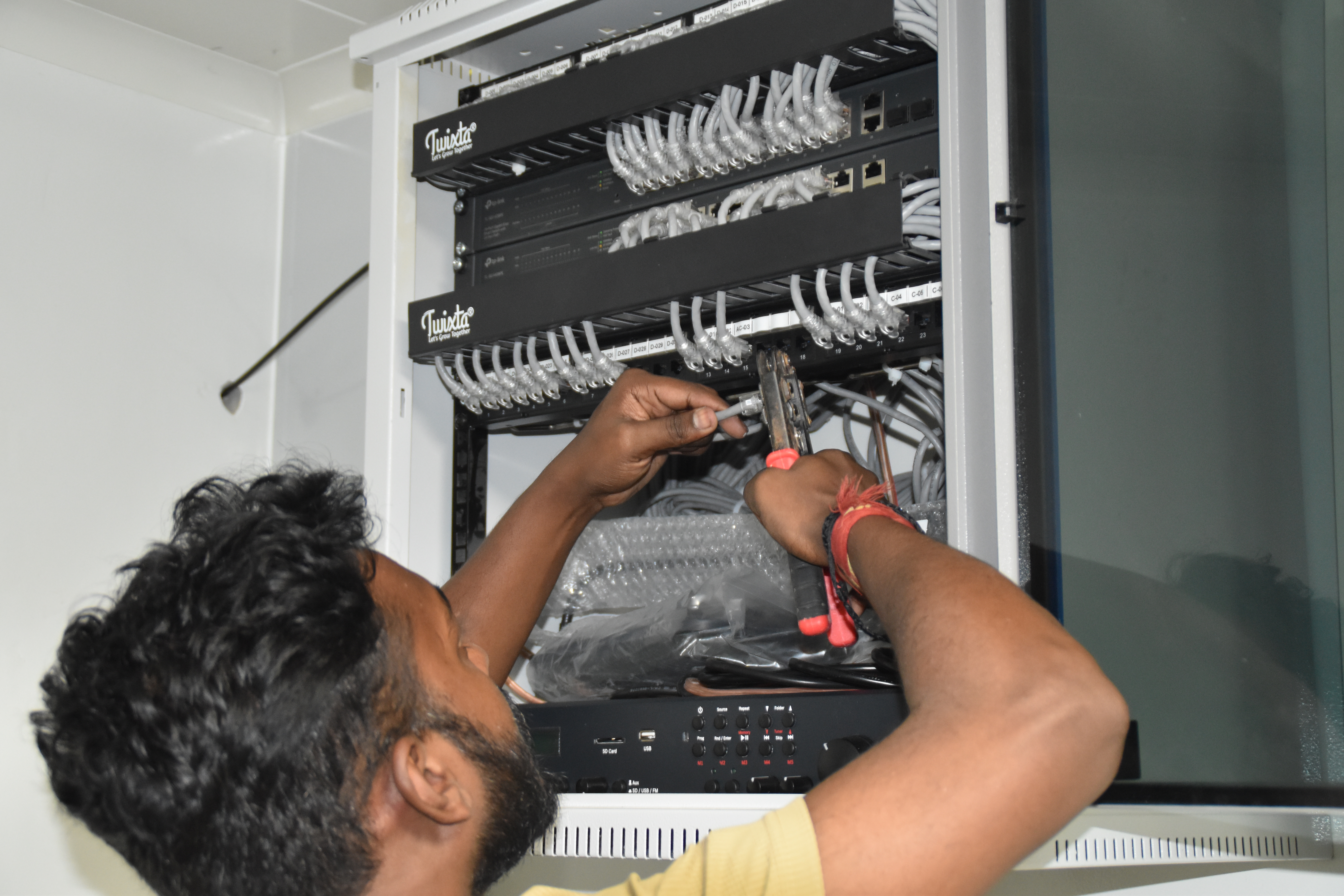
Technician fitting EM lock to door frame – close‑up, Mumbai

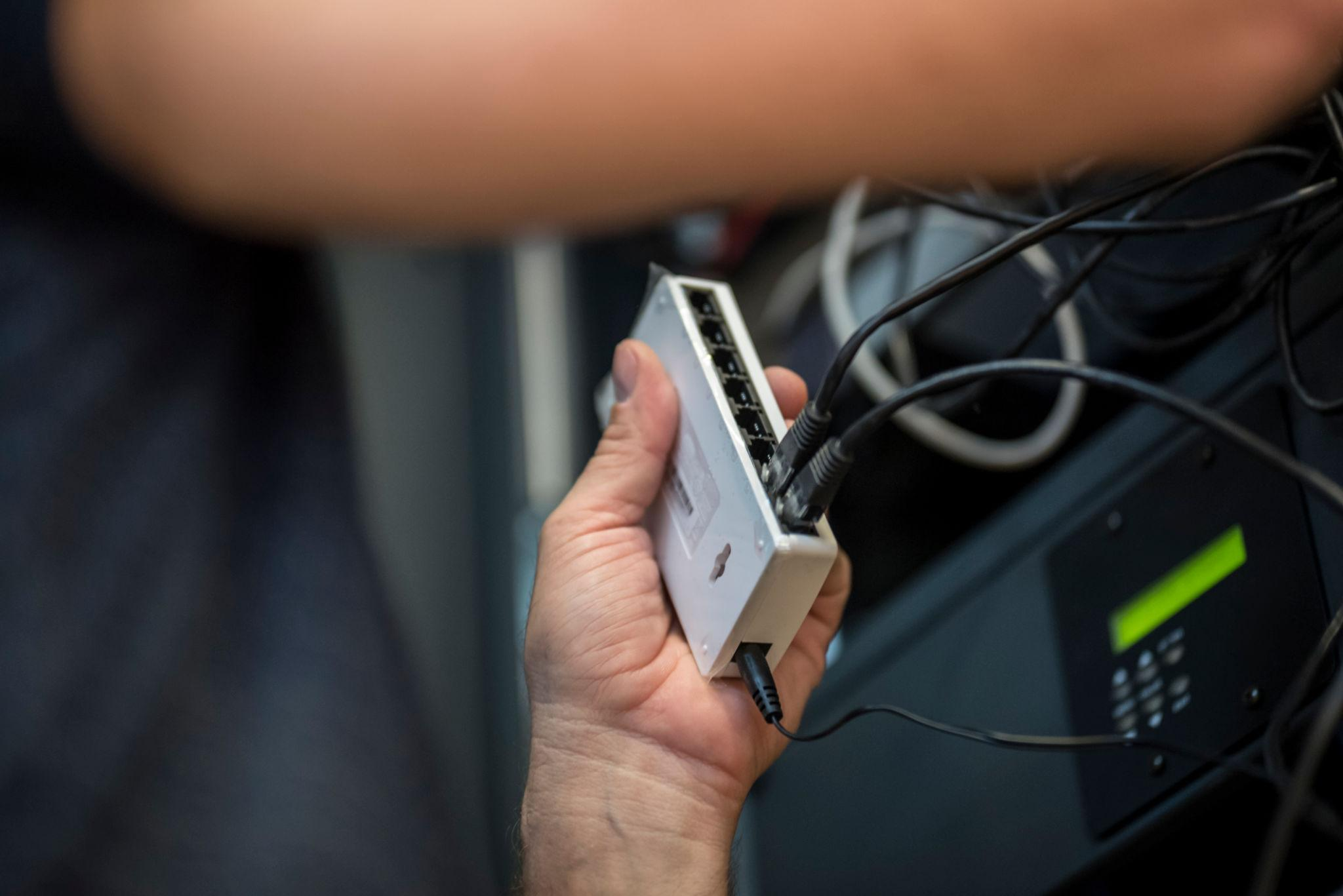
Engineer wiring door controller panel with sensor cables – Bengaluru
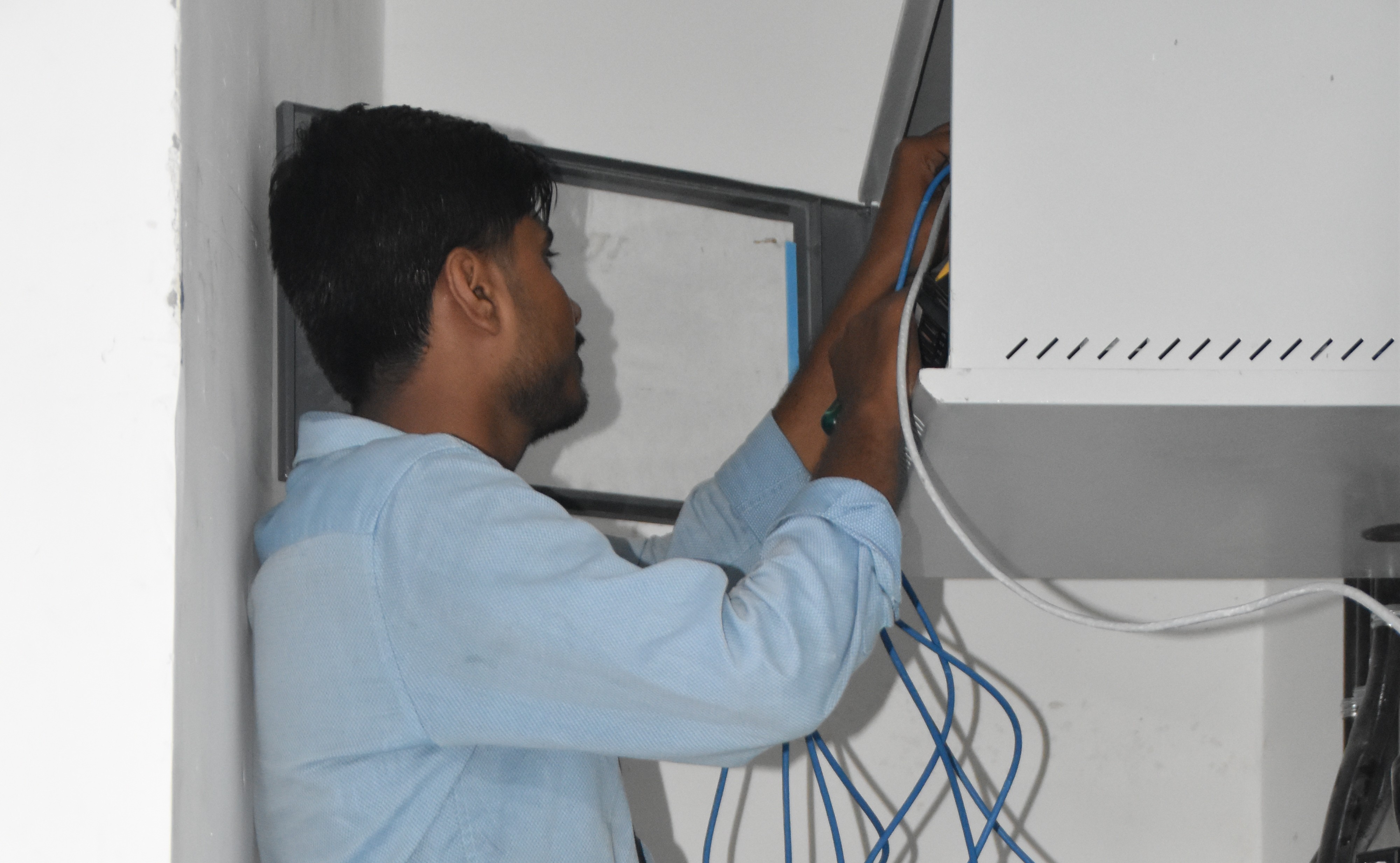
Finished interlock lobby – clean double‑door installation, Pune
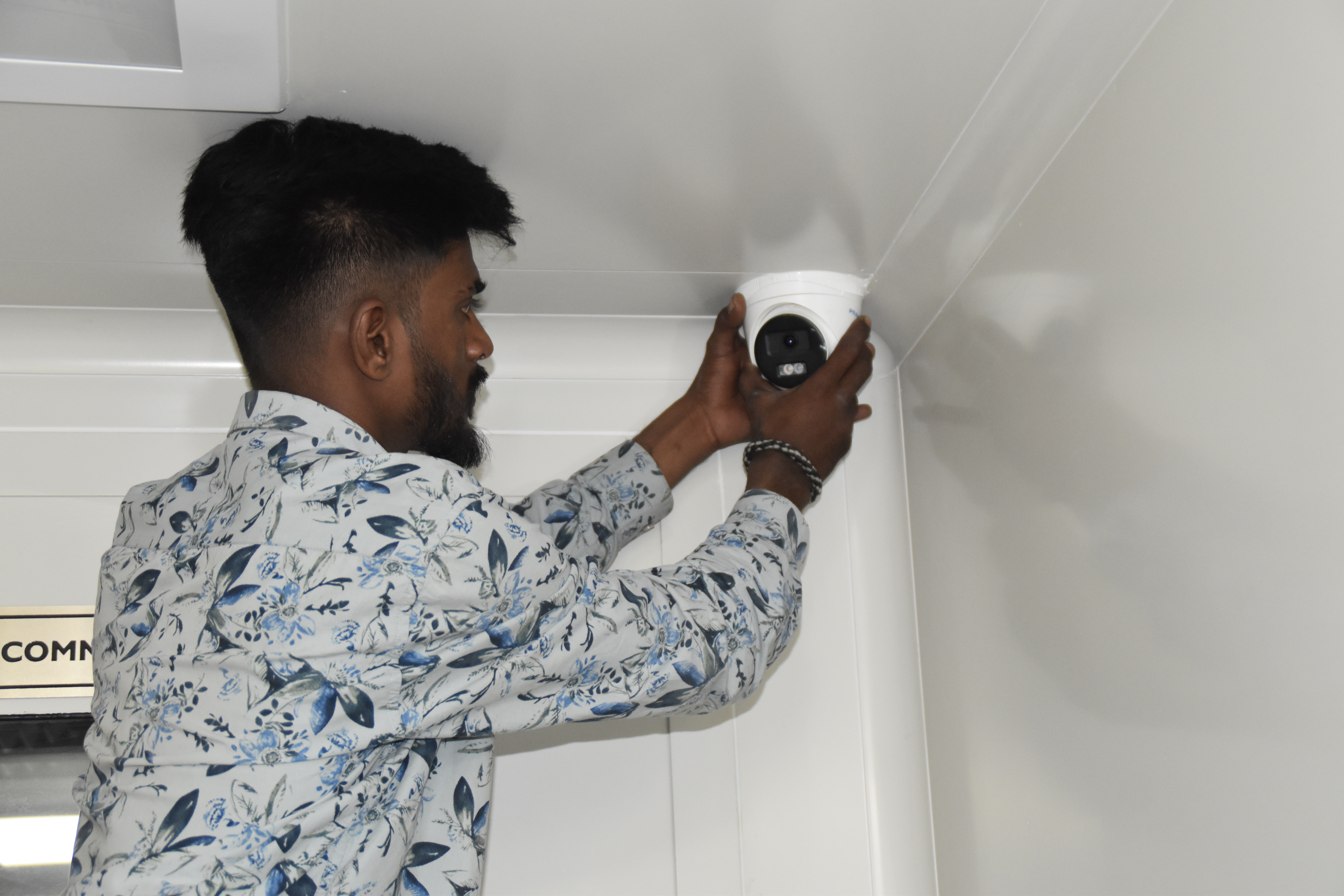
Resident IT engineer support — Yaas Technology Solutions, Karnataka
Healthcare network deployment — HCG Cancer Hospital Tower 6, Karnataka
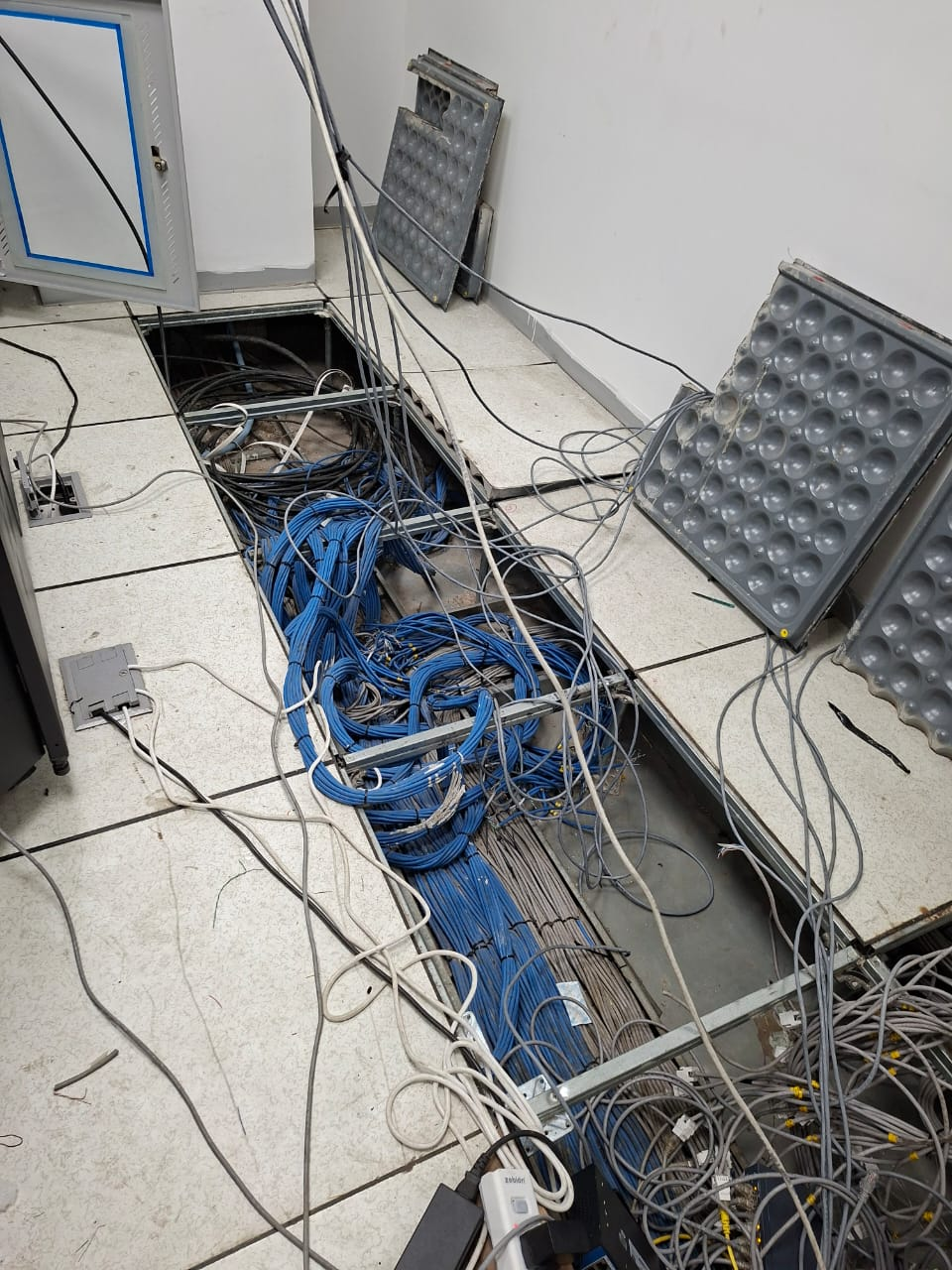
Enterprise infrastructure rollout — KRR Engineering Solutions, Tamil Nadu
25+ Interlock Deployments Across India
EM locks, electric strikes, mantraps – all delivered in‑house.
Trusted Across Industries in India
Data Centres
Pharmaceuticals
Corporate Offices
Research Labs
Banking & Finance
Manufacturing
Hospitals
High‑Security Vaults
“Layerix installed a 2‑door interlock with biometric readers in our clean room. Zero tailgating incidents in 12 months, passed regulatory audit. Outstanding.”
Facilities Head
Pharmaceutical Company, Hyderabad
“Our data centre needed a mantrap that could handle 500+ daily entries. Layerix delivered a seamless interlock with EM locks and CCTV integration. Perfect.”
Data Centre Manager
IT Infrastructure Firm, Bengaluru
Frequently Asked Questions
Everything you need to know about door interlock systems.
What is a mantrap and is it the same as a door interlock?+
Yes. A mantrap is a physical security enclosure with two interlocked doors; 'door interlock' refers to the electronic logic controlling them. Both terms are often used interchangeably.
What happens if someone is trapped between the two doors?+
We install emergency release buttons inside the interlock, a timer override (e.g., 30 seconds), and a fail‑safe mechanism that unlocks both doors on fire alarm or manual emergency.
How does the fire alarm override work?+
The interlock controller receives a dry contact signal from the fire alarm panel. On activation, both doors unlock immediately, allowing egress.
Can the interlock integrate with our existing access control system?+
Yes. We can connect the interlock controller to your existing access control system via Wiegand or OSDP. If you have a mixed environment, we can also install a standalone interlock that works alongside your current readers.
What is the difference between an EM lock and an electric strike?+
An EM lock is a magnetic lock mounted on the door frame; it requires power to stay locked (fail‑safe). An electric strike replaces the mechanical latch; it can be fail‑secure (locked on power loss). For mantraps, EM locks are preferred because they fail safe during power failure.
What is the maximum holding force of an EM lock and why does it matter?+
EM locks range from 600 to 1,200 lbs holding force. For high‑security applications (server rooms, vaults), we use 1,200 lbs locks to prevent forced entry.
Our Success Stories
Real interlock deployments across India






Ready to Stop Tailgating at Your Most Critical Doors?
Book a interlock assessment. Our engineer surveys your entry points, designs the right sequence, and gives you a fixed‑price proposal – no obligation.
Response within 2 business hours · Pan‑India deployments · 100% in‑house team